
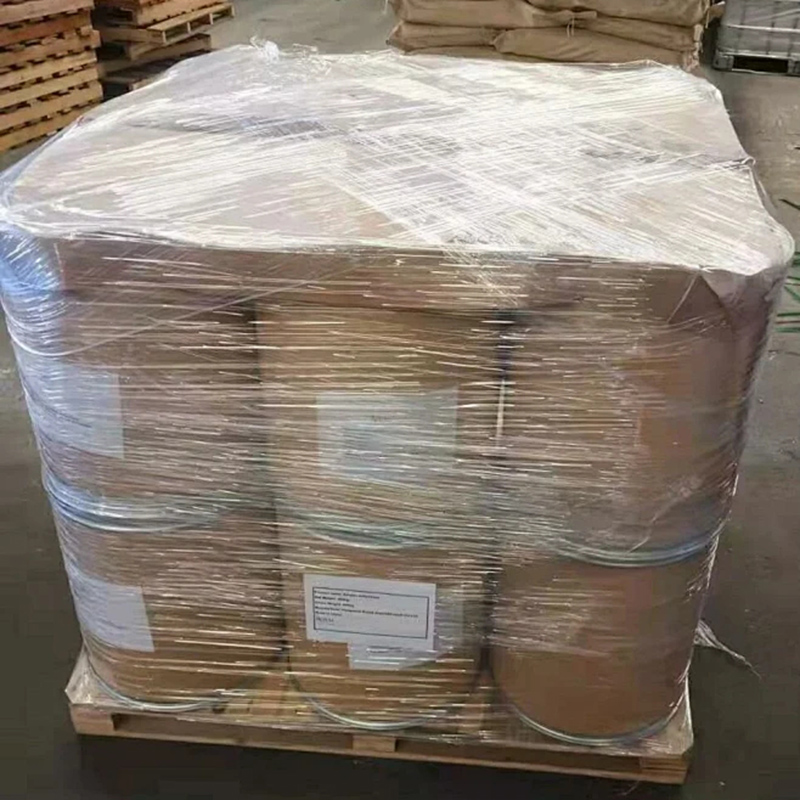
Aluminum oxideCAS#1344-28-1
Excellent High-Temperature Resistance: Alumina has a very high melting point (2015°C) and boiling point (2980°C), making it ideal for high-temperature applications.
Outstanding Hardness and Durability: With a Mohs hardness of 8.8, it offers exceptional wear resistance, second only to diamond among natural materials.
Chemical Stability and Water Insolubility: It is chemically stable and insoluble in water, ensuring reliability in harsh environments.
Wide Range of Industrial Applications: Alumina is widely used in abrasives, refractory materials, precision machine components, and high-performance ceramics, demonstrating strong versatility.
Product Description of Aluminum Oxide CAS#1344-28-1
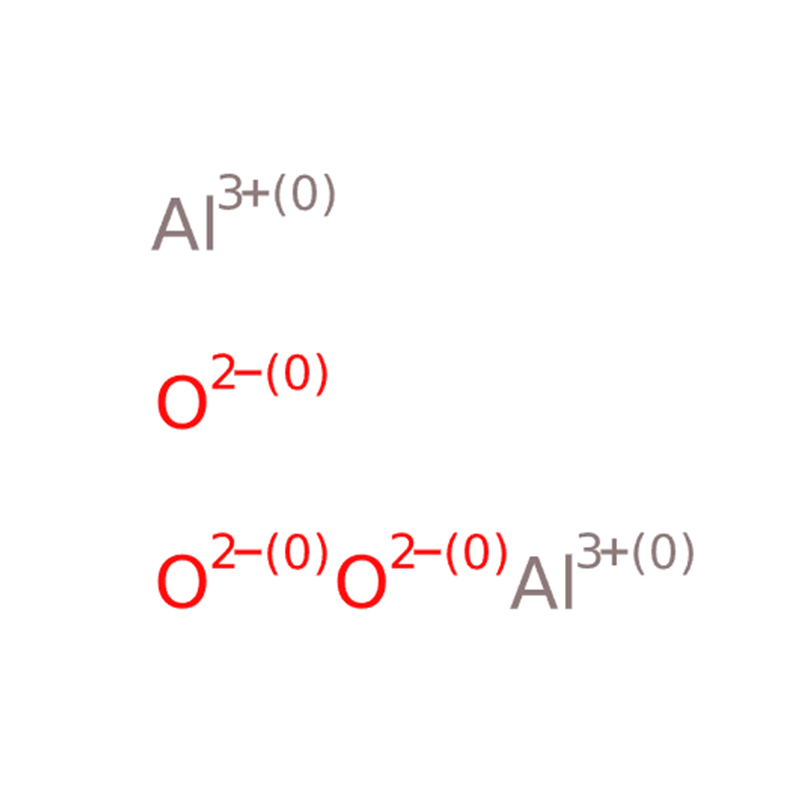
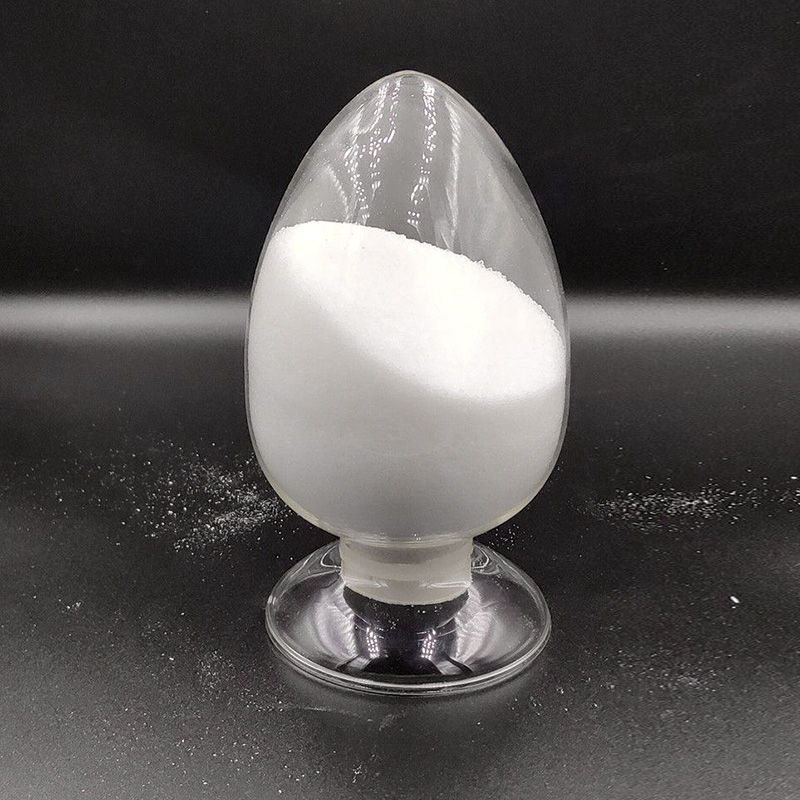
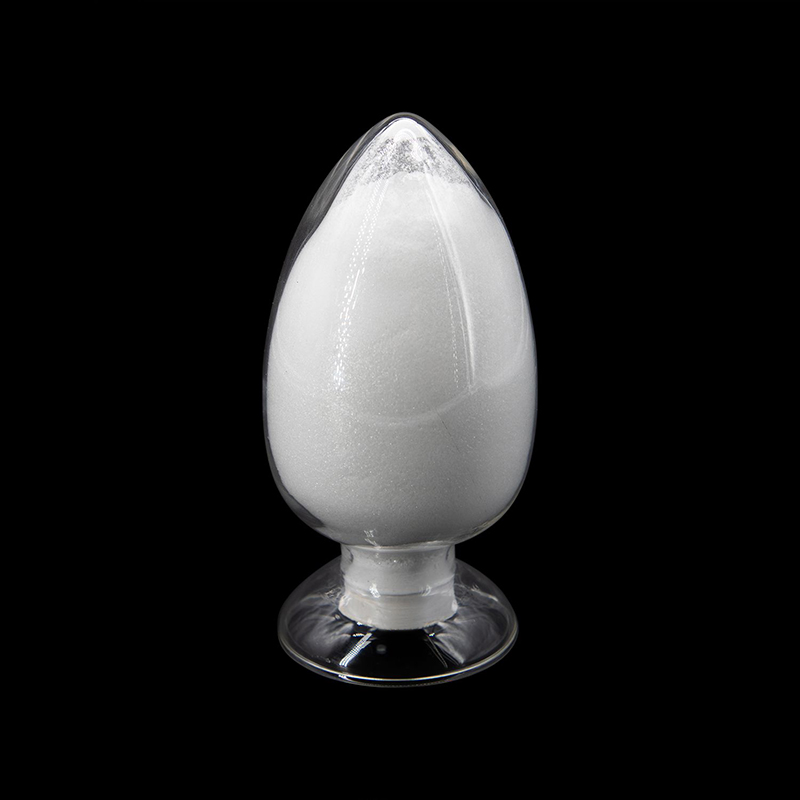
Alumina, also known as bauxite, has the chemical formula Al₂O₃ and appears as a white, refractory powder that is insoluble in water. It has a melting point of 2015°C, a boiling point of 2980°C, a relative density of 4.0, and a Mohs hardness of 8.8. Alumina exists in several crystal forms, primarily α and γ. It can be produced by heating and dehydrating aluminum hydroxide. The naturally occurring α-type is called corundum, second only to diamond in hardness. Small amounts of impurities give corundum various colors, resulting in gemstones such as ruby (Cr³⁺) and sapphire (Ti³⁺, Fe²⁺, Fe³⁺). Artificial gems can also be produced by crystallizing molten aluminum oxide, matching the properties of natural gems and finding extensive industrial applications. Alumina is used in bearings for high-speed machinery, watch and clock diamonds, abrasives, refractory materials, and corundum crucibles, which can withstand temperatures up to 1800°C.
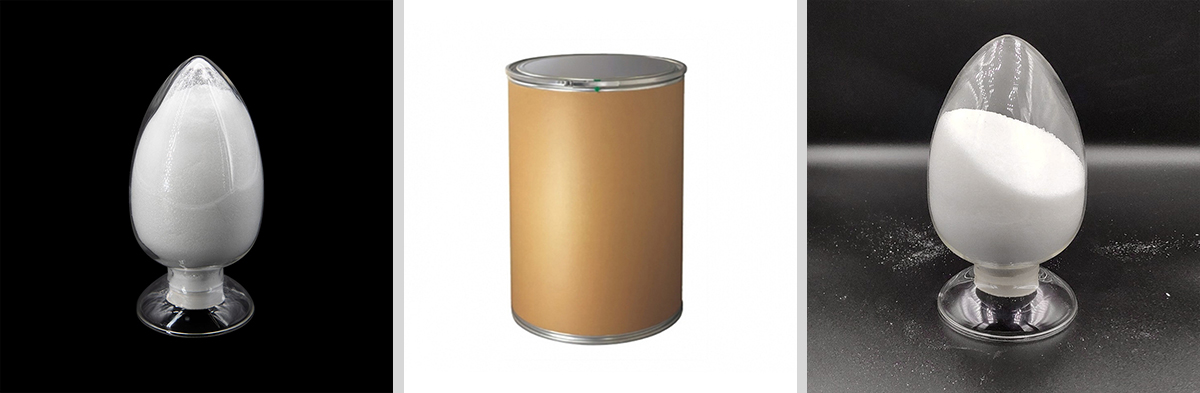
Parameters
| Melting point | 2040 °C(lit.) |
| Boiling point | 2980°C |
| density | 3.97 |
| bulk density | 950-1100g/L |
| vapor pressure | 17 mm Hg ( 20 °C) |
| refractive index | 1.765 |
| Fp | 2980°C |
| storage temp | Sealed in dry,Room Temperature |
| solubility | Miscible with ethanol. |
| form | powder |
| color | White to pink |
| Specific Gravity | 3.97 |
| Odor | Odorless |
| PH Range | 3.5 - 4.5 |
| PH | 7.0±0.5 ( in H2O) |
| Water Solubility | INSOLUBLE |
| semiconductor properties | <0001> |
| Crystal Structure | Trigonal |
| crystal system | Three sides |
| Merck | 14356 |
| Space group | R3c |
| Lattice constant | a/nmb/nmc/nmα/oβ/oγ/oV/nm30.475890.475891.299190901200.2548 |
| Exposure limits | ACGIH: TWA 1 mg/m3 |
| OSHA: TWA 15 mg/m3; TWA 5 mg/m3 | |
| Dielectric constant | 4.5(Ambient) |
| InChIKey | PNEYBMLMFCGWSK-UHFFFAOYSA-N |
| CAS DataBase Reference | 1344-28-1(CAS DataBase Reference) |
| NIST Chemistry Reference | Aluminum oxide(1344-28-1) |
| EPA Substance Registry System | Alumina (1344-28-1) |
Safety Information
| Hazard Codes | Xi,F |
| Risk Statements | 36/37/38-67-36/38-11-36 |
| Safety Statements | 26-24/25-16-7-36 |
| WGK Germany | - |
| RTECS | BD1200000 |
| F | 3 |
| TSCA | Yes |
| HazardClass | 8 |
| HS Code | 28181010 |
| Hazardous Substances Data | 1344-28-1(Hazardous Substances Data) |
| Toxicity | Chronic inhalation of Al2O3 dusts may cause lung damage. |

Product Description of Aluminum Oxide CAS#1344-28-1
Aluminum oxide is widely used across catalysis and inorganic chemistry, serving as a key reagent, powder, and coating material. It functions in areas including catalysts and additives, petroleum processing catalysts, desiccants, refractory materials, and general chemical reagents. It is applied in light metals, inorganic compounds and salts, conventional oxide powders, and metal compounds such as aluminum salts. Additionally, aluminum oxide is used in biochemical applications, including proteomics, separation reagents, ultra-dry solvents, and other specialized chemical reagents, making it a versatile material in both industrial and laboratory settings.