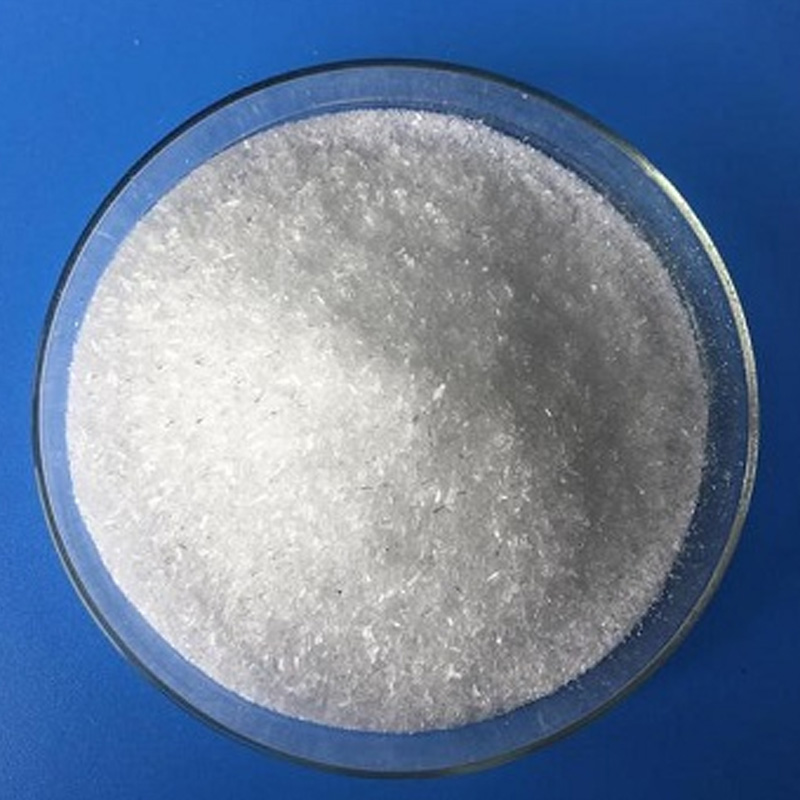
Lithi terflrrte CAS#14283-07-9
Critical Electrolyte Salts for Advanced Lithium Batteries: Lithium tetrafluoroborate, lithium hexafluorophosphate, lithium hexafluoroarsenate, and lithium trifluoromethane sulfonate are key electrolyte salts widely regarded as essential materials for next-generation lithium-ion, primary, and secondary lithium cells.
High Purity Directly Enhances Battery Performance: The electrochemical performance, safety, and reliability of lithium-ion batteries strongly depend on the purity of these electrolyte salts, making them indispensable for high-performance energy storage systems.
Strong and Growing Market Demand: These materials are already produced on a large industrial scale, with hundreds of tons manufactured, and demand is expected to increase significantly to thousands of tons in the near future.
Wide Application Across Multiple Industries: Lithium electrolyte salts are in high demand for automotive batteries, consumer electronics, computers, communication systems, and military applications, reflecting their broad applicability and strategic importance.
Lithium Tetrafluoroborate CAS#14283-07-9
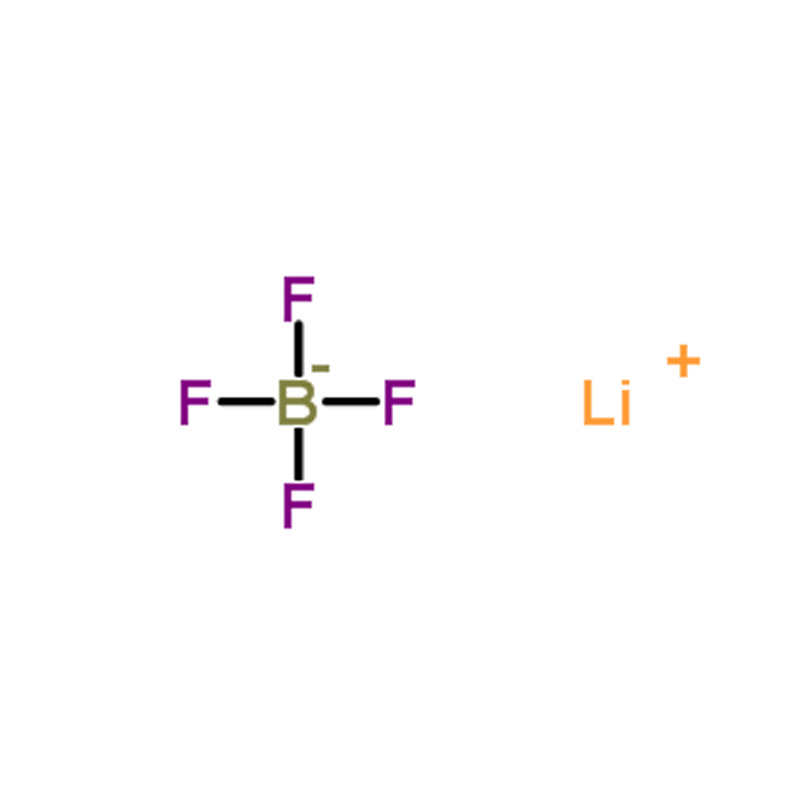
Lithium tetrafluoroborate (LiBF₄), along with lithium hexafluorophosphate (LiPF₆), lithium hexafluoroarsenate (LiAsF₆), and lithium trifluoromethanesulfonate (LiSO₃CF₃), represents a new generation of electrolyte salts for modern energy storage systems. The performance of lithium-ion batteries, as well as primary and secondary lithium cells, is highly dependent on the purity of these materials. To date, several hundred tons have already been produced, and future demand is expected to rise sharply, potentially reaching thousands of tons. One major automotive manufacturer has projected a market demand of approximately 10–15 million pounds for these salts. In addition, lithium-ion primary cells continue to see strong demand across electronics, computing, communication technologies, and military applications.
Lithium tetrafluoroborate Chemical Properties
| Melting point | 293-300 °C (dec.) (lit.) |
| density | 0.852 g/mL at 25 °C |
| vapor pressure | 10Pa at 20℃ |
| Fp | 6 °C |
| storage temp. | Store below +30°C. |
| solubility | soluble in Acetonitrile, DMSO |
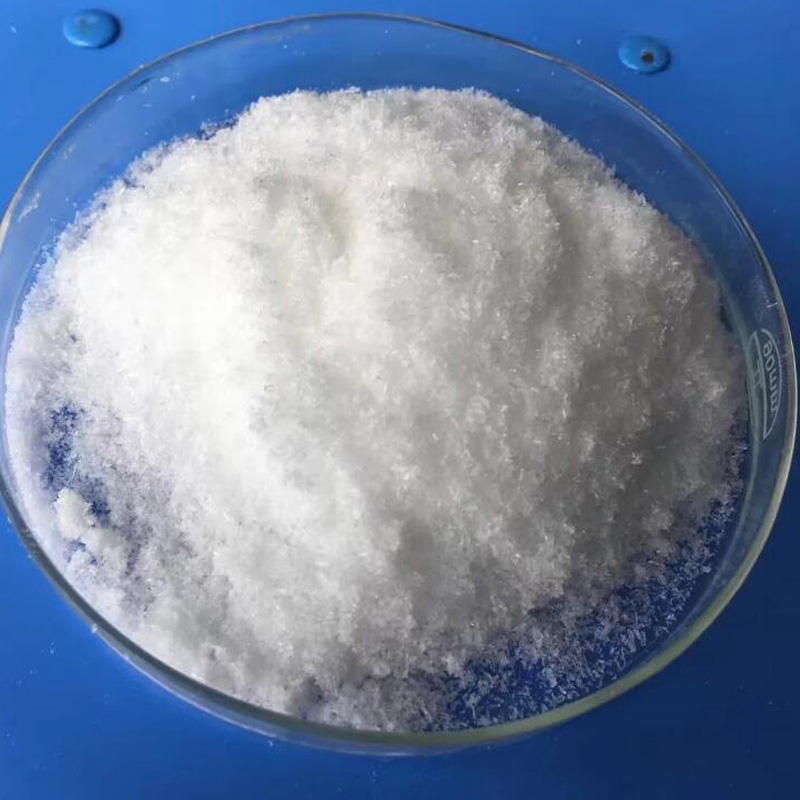
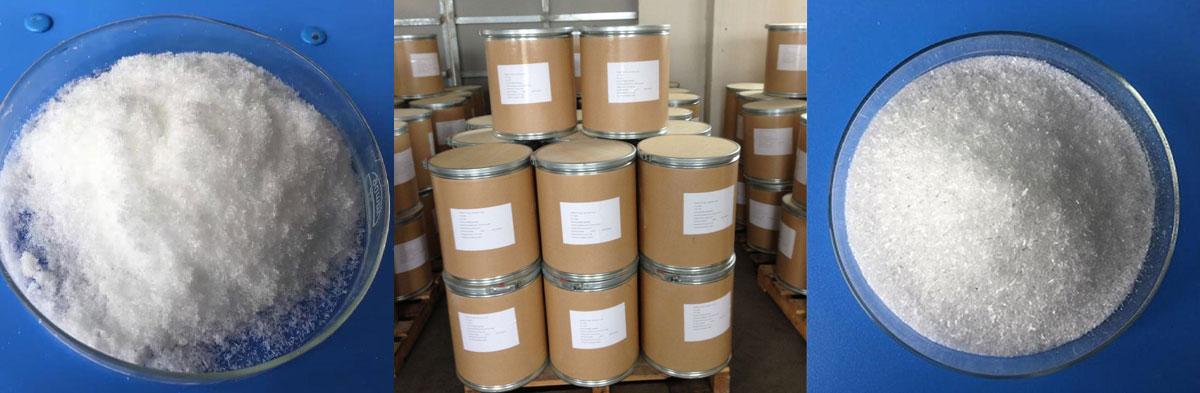
| form | powder |
| color | White to off-white |
| Specific Gravity | 0.852 |
| PH | 2.88 |
| Water Solubility | SOLUBLE |
| Sensitive | Hygroscopic |
| Merck | 145,543 |
| Exposure limits | ACGIH: TWA 2.5 mg/m3 |
| NIOSH: IDLH 250 mg/m3; TWA 2.5 mg/m3 | |
| Stability: | Stable. Incompatible with glass, acids, strong bases. Contact with acids releases toxic gas. Moisture-sensitive. |
| Major Application | battery manufacturing |
| InChI | 1S/BF4.Li/c2-1(3,4)5;/q-1;+1 |
| InChIKey | UFXJWFBILHTTET-UHFFFAOYSA-N |
| SMILES | [Li+].F[B-](F)(F)F |
| CAS DataBase Reference | 14283-07-9(CAS DataBase Reference) |
| EPA Substance Registry System | Borate(1-), tetrafluoro-, lithium (14283-07-9) |
Safety Information
| Hazard Codes | C,T,F,Xn |
| Risk Statements | 20/21/22-31-34-36/37/38-23/24/25-11-36/38 |
| Safety Statements | 22-26-27-36/37/39-45-25-16-36/37 |
| RIDADR | UN 3260 8/PG 2 |
| WGK Germany | 3 |
| F | 3-10 |
| Hazard Note | Corrosive/Hygroscopic |
| TSCA | TSCA listed |
| HazardClass | 8 |
| PackingGroup | III |
| HS Code | 28269090 |
| Storage Class | 8B - Non-combustible corrosive hazardous materials |
| Hazard Classifications | Acute Tox. 4 Oral |
| Eye Dam. 1 | |
| Muta. 2 | |
| Skin Corr. 1B | |
| Toxicity | LD50 orally in Rabbit: 1638 mg/kg LD50 dermal Rat > 2000 mg/kg |
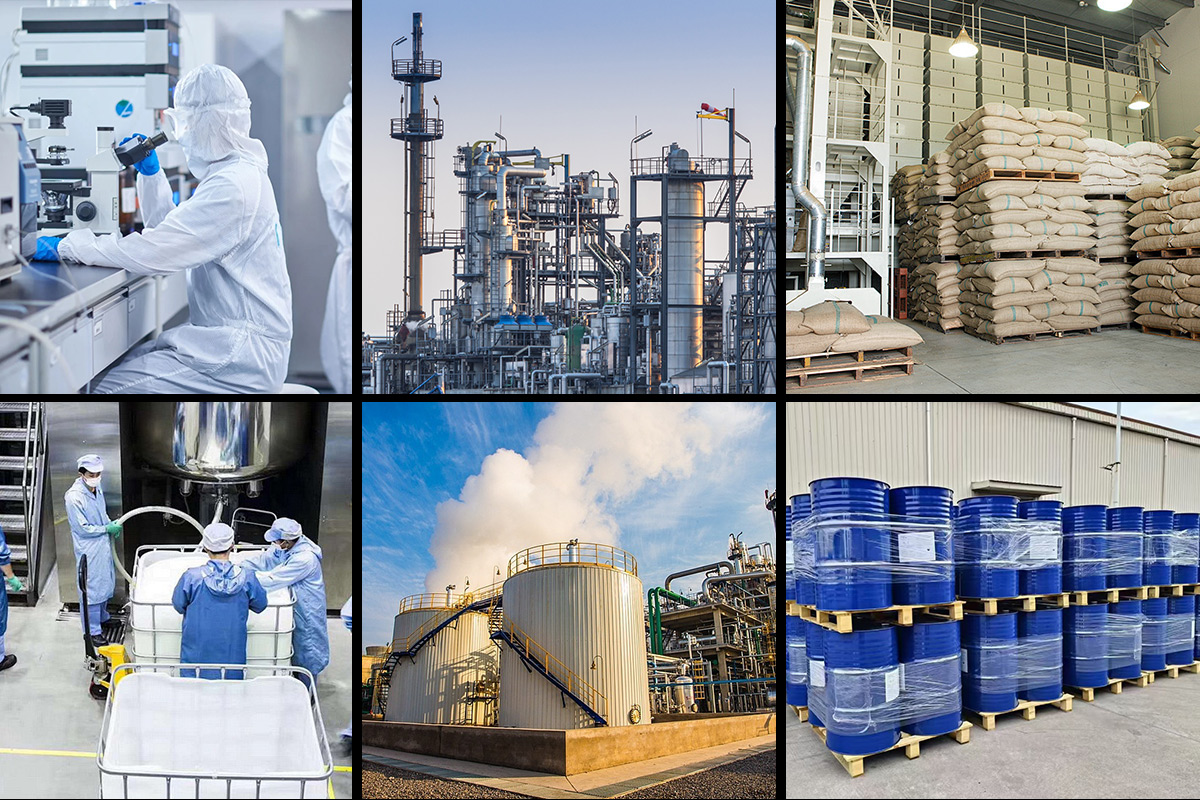
Product Application of Lithium Tetrafluoroborate CAS#14283-07-9
Lithium tetrafluoroborate (LiBF₄) is used as an electrolyte material in lithium-ion batteries (LIBs). Trace amounts of water in LiBF₄ can cause hydrolysis, leading to HF formation and damage to battery electrodes. Our LiBF₄ contains less than 100 ppm of water, making it highly suitable for reliable and high-performance applications in lithium-ion batteries.