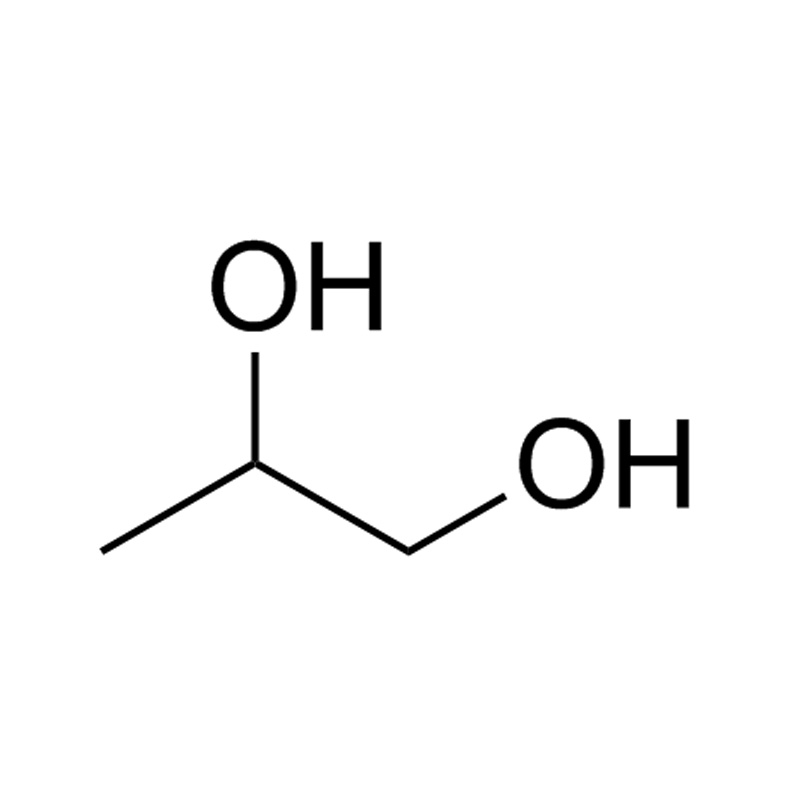
Propylene glycol CAS#57-55-6
High Purity and Quality: Industrial-grade 1,2-propanediol has a purity of ≥99.5%, ensuring reliable performance for industrial and laboratory applications.
Excellent Solubility: Fully miscible with water and most organic solvents, allowing versatile use in various formulations and chemical processes.
Wide Thermal Range and Stability: With a melting point of −59°C and a boiling point of 187°C, 1,2-propanediol is thermally stable and suitable for applications across a broad temperature range.
Safe and Chemically Stable: The compound is chemically stable under normal conditions, though it is incompatible with strong oxidizing agents, making it safe for typical industrial use.
Product Description of Propylene Glycol (CAS 57-55-6)
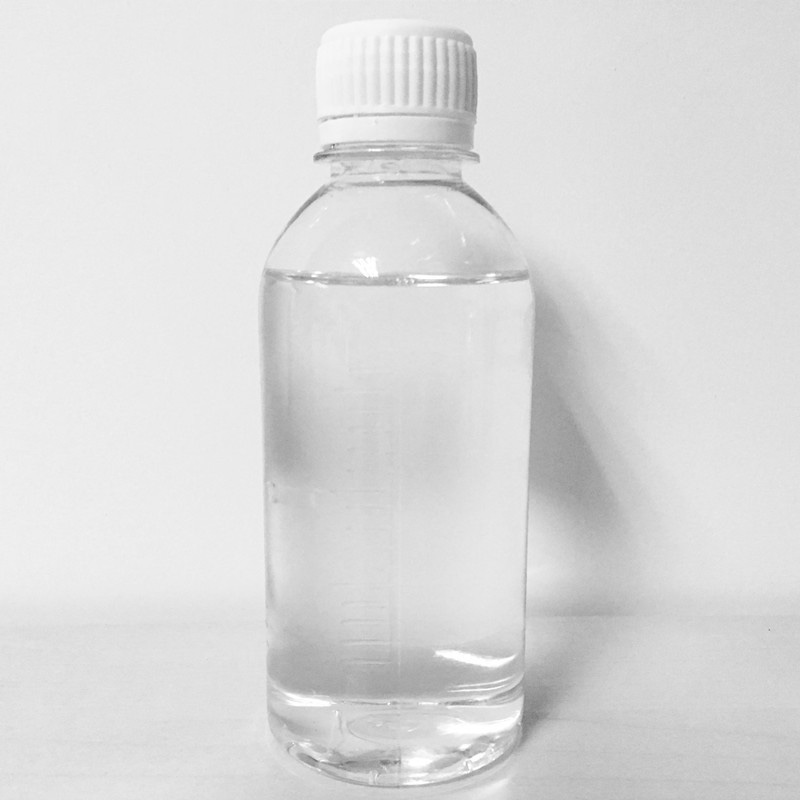
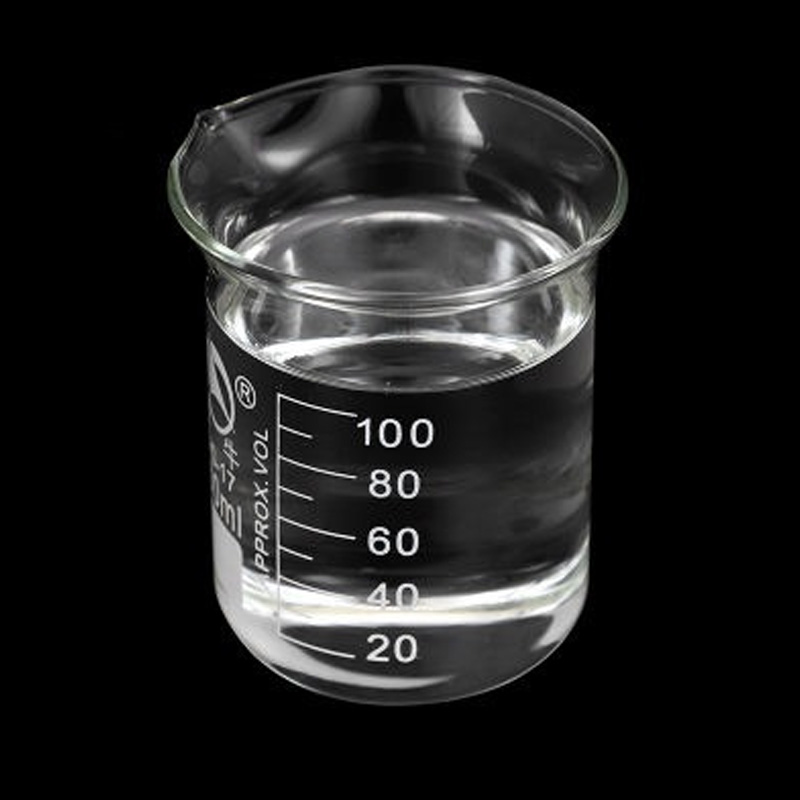
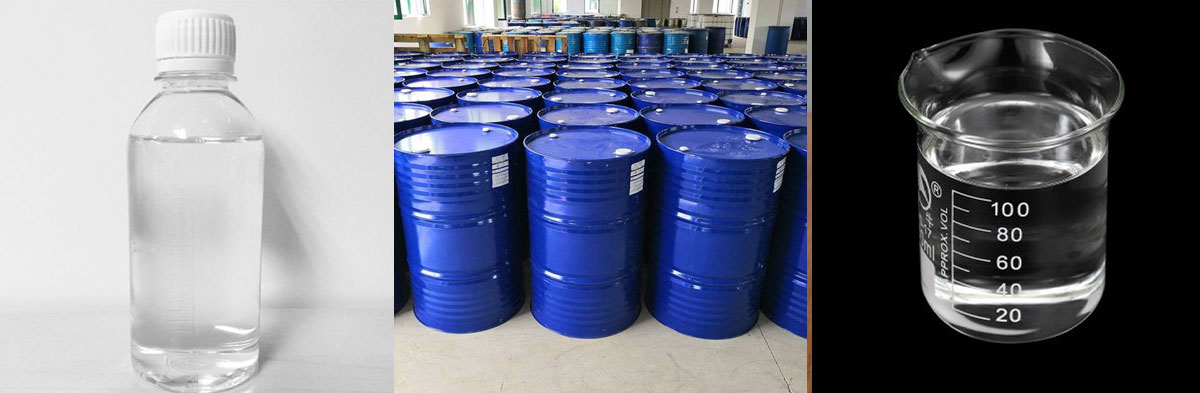
1,2-Propanediol (propylene glycol, CAS 57-55-6) is an industrial-grade product with a purity of ≥99.5%. It is a colorless, viscous liquid, nearly tasteless with a slight sweet odor. The compound has a melting point of −59°C, a boiling point of 187°C, a vapor pressure of 0.011 kPa at 20°C, and a relative density of 1.036 at 20°C.
Propylene glycol is fully miscible with water at all proportions and is compatible with most organic solvents. It is chemically stable under normal conditions but should be kept away from strong oxidizing agents.
Parameters
| Melting point | -60 °C (lit.) |
| Boiling point | 187 °C (lit.) |
| density | 1.036 g/mL at 25 °C (lit.) |
| vapor density | 2.62 (vs air) |
| vapor pressure | 0.08 mm Hg ( 20 °C) |
| refractive index | n20/D 1.432(lit.) |
| FEMA | 2940 | PROPYLENE GLYCOL |
| Fp | 225 °F |
| storage temp. | Store at +5°C to +30°C. |
| solubility | Chloroform (Slightly), Ethyl Acetate (Slightly), Methanol (Slightly) |
| pka | 14.49±0.20(Predicted) |
| form | Viscous Liquid |
| color | APHA: ≤10 |
| Specific Gravity | 1.038 (20/20℃)1.036~1.040 |
| PH | 6-8 (100g/l, H2O, 20℃) |
| Odor | at 100.00 %. odorless very slight alcoholic |
| Odor Type | odorless |
| Optical Rotation | -0.11° (C=1.00g/100ml, CHCL3) |
| biological source | synthetic |
| explosive limit | 2.4-17.4%(V) |
| Water Solubility | miscible |
| Sensitive | Hygroscopic |
| Merck | 147,855 |
| JECFA Number | 925 |
| BRN | 1340498 |
| Dielectric constant | 32 |
| InChIKey | DNIAPMSPPWPWGF-UHFFFAOYSA-N |
| LogP | -0.92 |
| Surface tension | 35.44mN/m at 298.15K |
| CAS DataBase Reference | 57-55-6(CAS DataBase Reference) |
| NIST Chemistry Reference | Propylene glycol(57-55-6) |
| EPA Substance Registry System | Propylene glycol (57-55-6) |
Safety Information
| Safety Statements | 24/25 |
| WGK Germany | 1 |
| RTECS | TY2000000 |
| Autoignition Temperature | 779 °F |
| TSCA | Yes |
| HS Code | 29053200 |
| Hazardous Substances Data | 57-55-6(Hazardous Substances Data) |
| Toxicity | LD50 orally in Rabbit: 19400 - 36000 mg/kg LD50 dermal Rabbit 20800 mg/kg |
Product Application of Propylene Glycol (CAS 57-55-6)
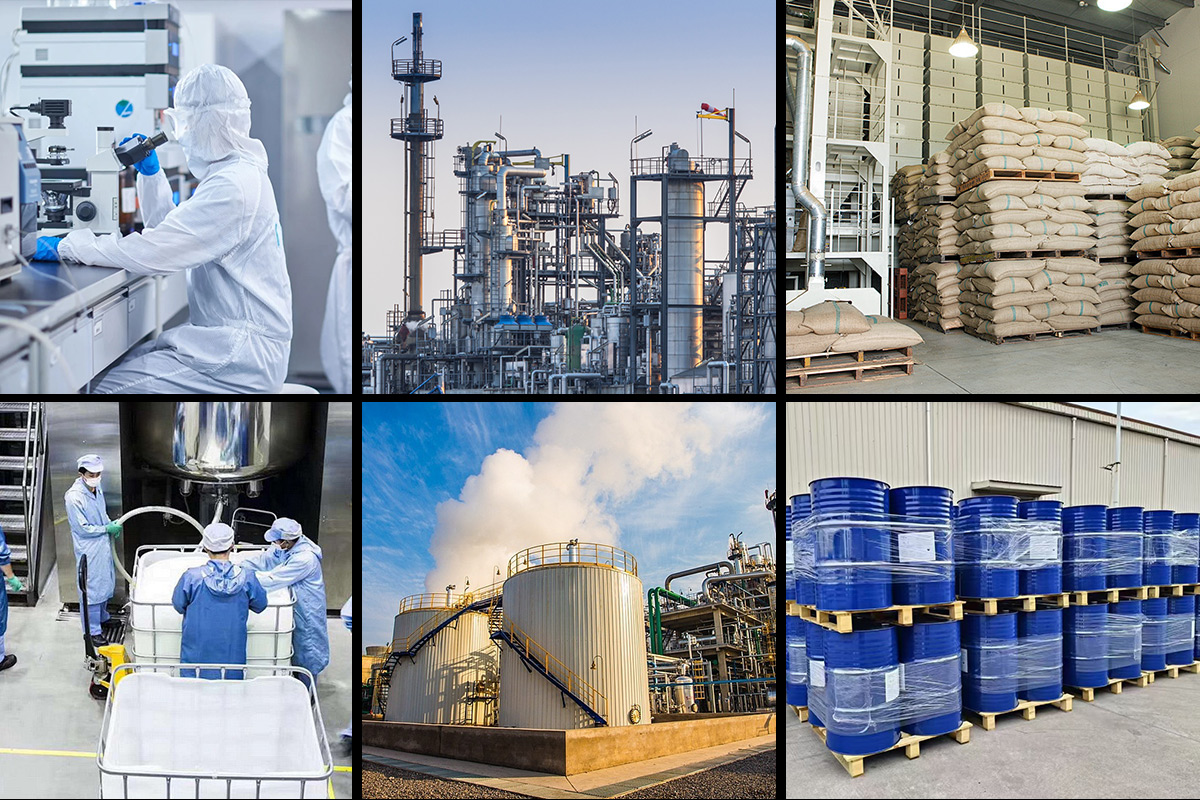
Propylene glycol shares many applications with other glycols. It is a key raw material for the production of unsaturated polyester, epoxy resin, and polyurethane resin, accounting for approximately 45% of total propylene glycol consumption. Unsaturated polyester is widely used in reinforced plastics and surface coatings.
Due to its excellent viscosity, hygroscopicity, and non-toxic nature, propylene glycol is also extensively used as a humectant, antifreeze, lubricant, and solvent in the food, pharmaceutical, and cosmetic industries.