Glycine CAS#56-40-6
Smallest and Simplest Amino Acid: Features a minimal structure, enabling high compatibility in various biochemical applications.
Versatile Solubility Profile: Can function in both hydrophilic and hydrophobic environments due to its simple side chain.
Non-Chiral Structure: Unique among amino acids, offering flexibility in synthesis and formulation.
Stable Crystalline Form with Mild Taste: Colorless, sweet-tasting crystals suitable for use in food, pharmaceutical, and research applications.
Glycine (CAS No. 56-40-6)
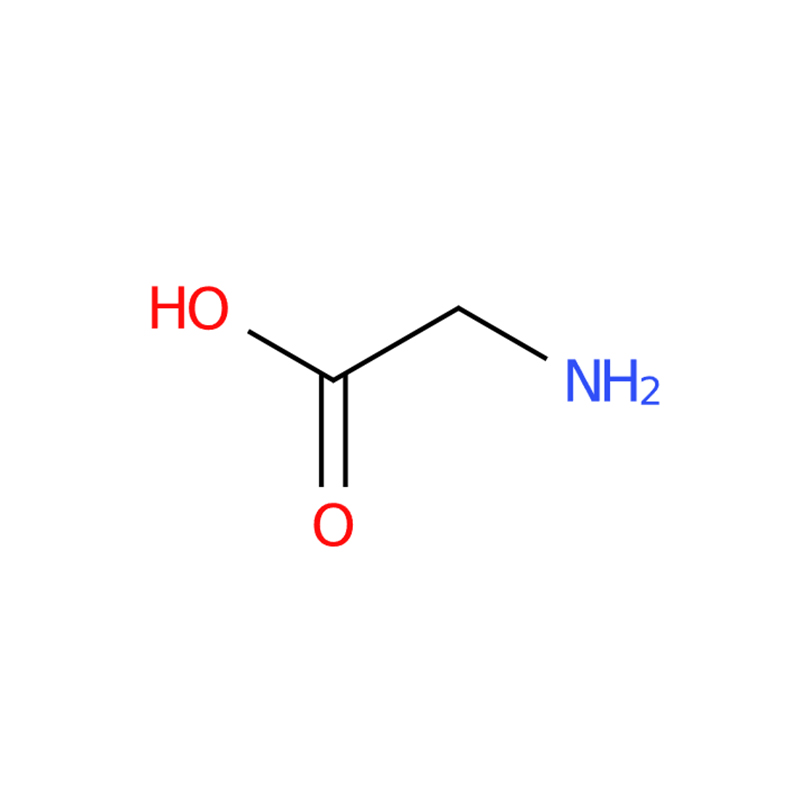
Glycine (abbreviated as Gly or G) is an organic compound with the molecular formula NH₂CH₂COOH. With a hydrogen atom as its side chain, it is the simplest and smallest of the 20 standard amino acids found in proteins. Its genetic codons include GGU, GGC, GGA, and GGG.
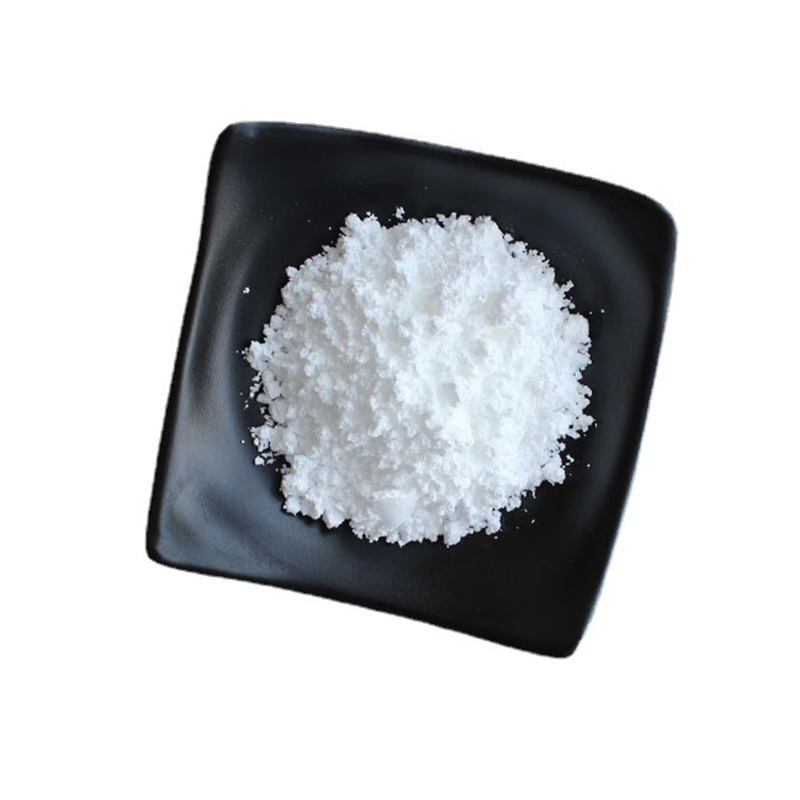
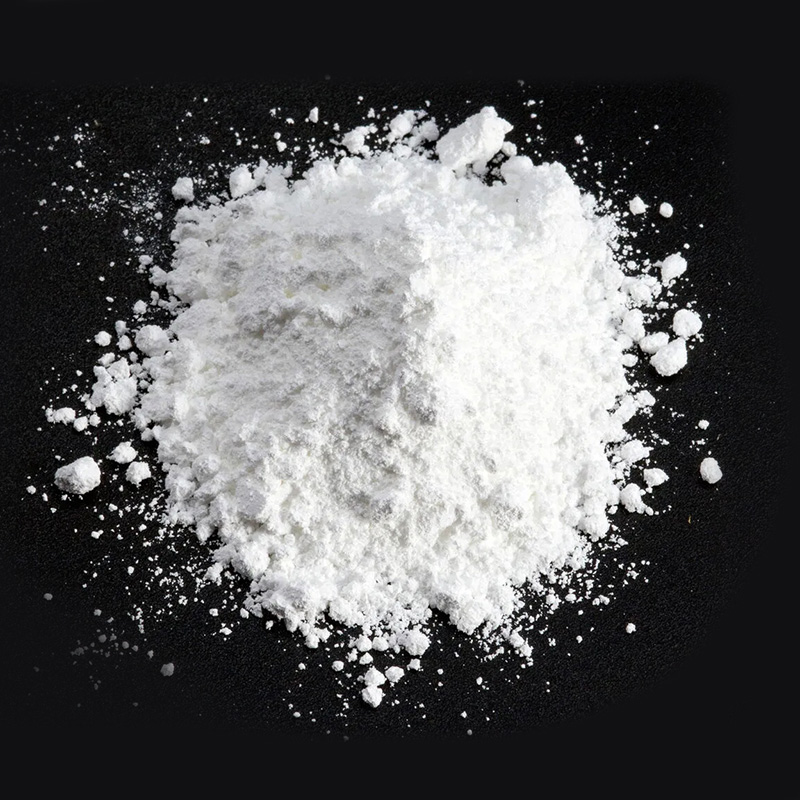
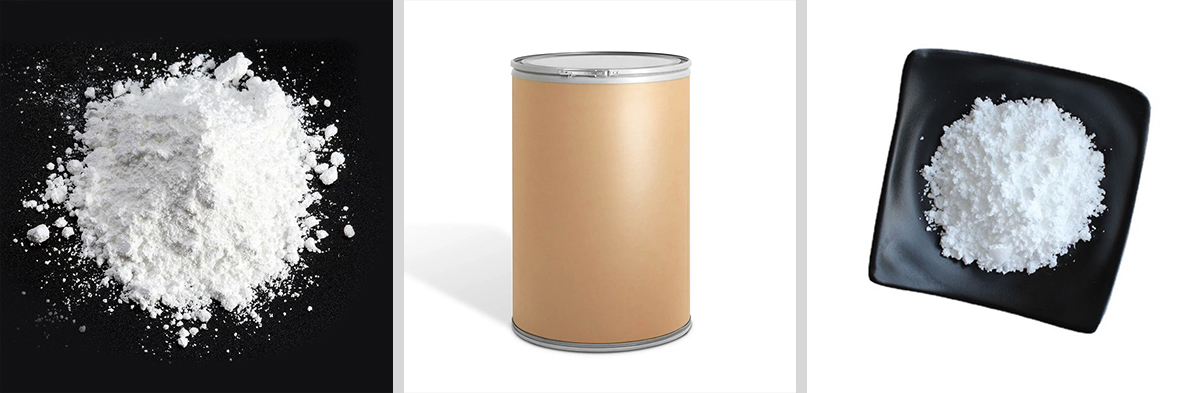
Glycine appears as a colorless, sweet-tasting crystalline solid. Unlike other proteinogenic amino acids, it is non-chiral. Due to its minimal side chain, it can exist in both hydrophilic and hydrophobic environments. In addition, Glycine is also the genus name of the soybean plant (Glycine max).
Glycine Chemical Properties
| Melting point | 240 °C (dec.) (lit.) |
| Boiling point | 233°C |
| bulk density | 920kg/m3 |
| density | 1.595 |
| vapor pressure | 0.0000171 Pa (25 °C) |
| refractive index | 1.4264 (estimate) |
| FEMA | 3287 | GLYCINE |
| Fp | 176.67°C |
| storage temp. | 2-8°C |
| solubility | H2O: 100 mg/mL |
| pka | 2.35(at 25℃) |
| form | powder |
| color | <5 (200 mg/mL)(APHA) |
| PH | 4(0.2 molar aqueous solution) |
| PH Range | 4 |
| Odor | Odorless |
| Odor Type | odorless |
| biological source | synthetic |
| Water Solubility | 25 g/100 mL (25 ºC) |
| λmax | λ: 260 nm Amax: 0.05 |
| λ: 280 nm Amax: 0.05 | |
| Merck | 144491 |
| JECFA Number | 1421 |
| BRN | 635782 |
| Stability: | Stable. Combustible. Incompatible with strong oxidizing agents. |
| Cosmetics Ingredients Functions | ANTISTATIC |
| BUFFERING | |
| SKIN CONDITIONING | |
| HAIR CONDITIONING | |
| InChIKey | DHMQDGOQFOQNFH-UHFFFAOYSA-N |
| LogP | -3.21 |
| CAS DataBase Reference | 56-40-6(CAS DataBase Reference) |
| NIST Chemistry Reference | Glycine(56-40-6) |
| EPA Substance Registry System | Glycine (56-40-6) |
| Absorption | ≤0.15 at 280 at 1M |
| CAS Number Unlabeled | 73-32-5 |
Safety Information
| Risk Statements | 33 |
| Safety Statements | 22-24/25 |
| WGK Germany | 2 |
| RTECS | MB7600000 |
| TSCA | Yes |
| HS Code | 29224910 |
| Hazardous Substances Data | 56-40-6(Hazardous Substances Data) |
| Toxicity | LD50 orally in Rabbit: 7930 mg/kg |

Product Applications of Glycine (CAS No. 56-40-6)
In the United States, glycine is generally available in two grades: United States Pharmacopeia (USP) grade and technical grade. Most glycine is produced as USP grade, which is widely used across various applications and accounts for about 80–85% of the U.S. market.
Pharmaceutical-grade glycine is specifically manufactured for medical uses, such as intravenous injections, where purity requirements often exceed standard USP specifications. This higher-grade material is typically produced according to proprietary standards and is usually priced higher than USP-grade glycine.