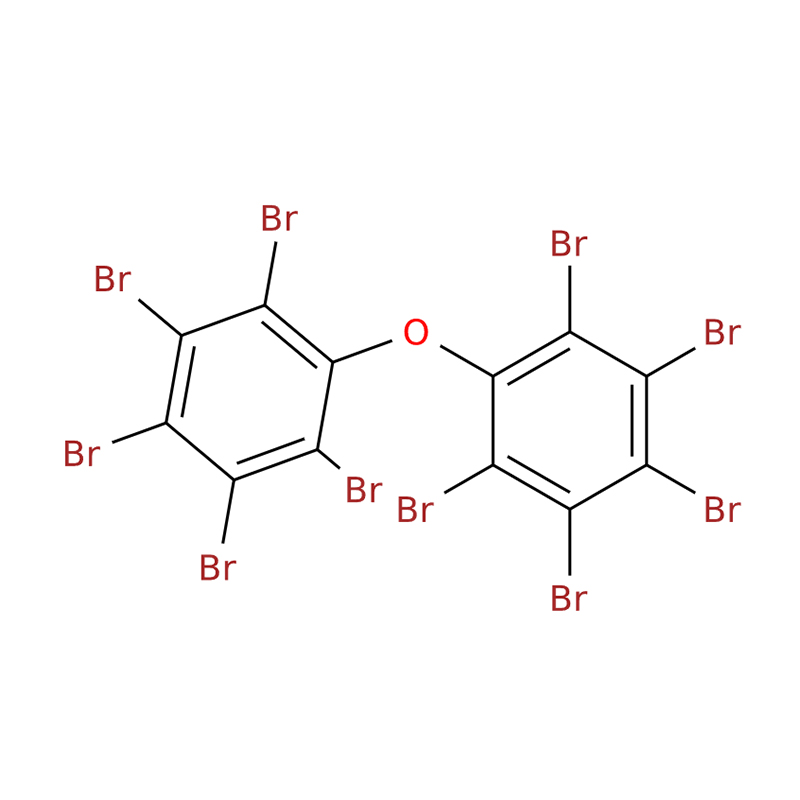

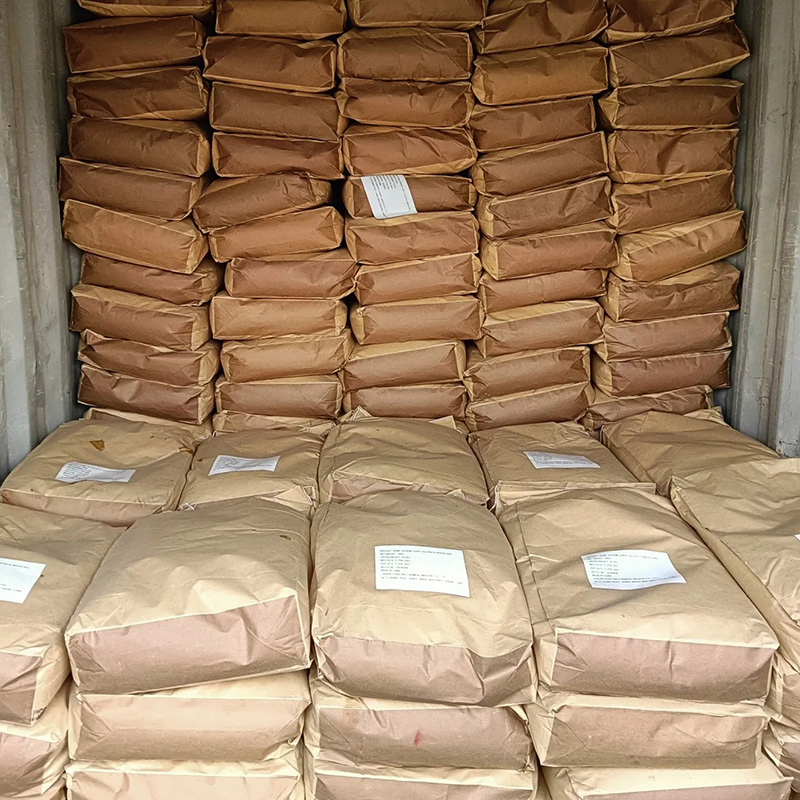
Decabromodiphenyl xide CAS#1163-19-5
High Bromine Content and Purity – Decabromodiphenyl ether contains over 82% bromine, providing excellent flame-retardant efficiency and reliable chemical performance for industrial and commercial applications.
Excellent Thermal Stability – With a melting point of 304–309℃ and a 5% weight loss temperature above 320℃, it can withstand high-temperature processes without degradation, making it suitable for heat-resistant materials.
Non-Toxic and Environmentally Safe – This compound is non-toxic and non-polluting, ensuring safer handling for workers and reduced environmental impact compared to other flame retardants.
Versatile Solvent Resistance and Durability – Insoluble in water, ethanol, acetone, benzene, and most other solvents, with slight solubility in chlorinated aromatic hydrocarbons, it maintains long-lasting stability and effectiveness in a wide range of applications.
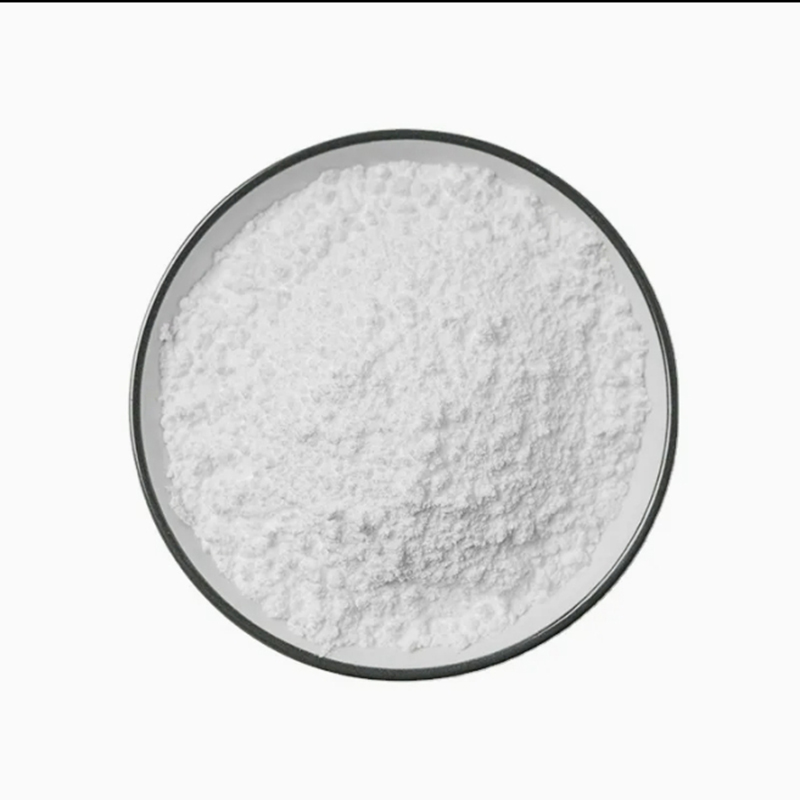
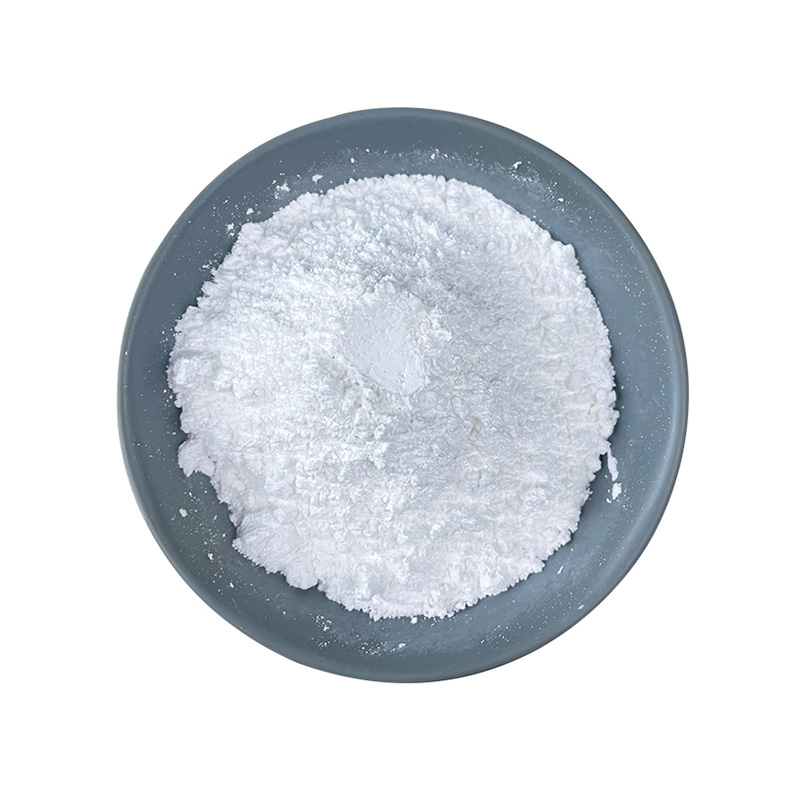
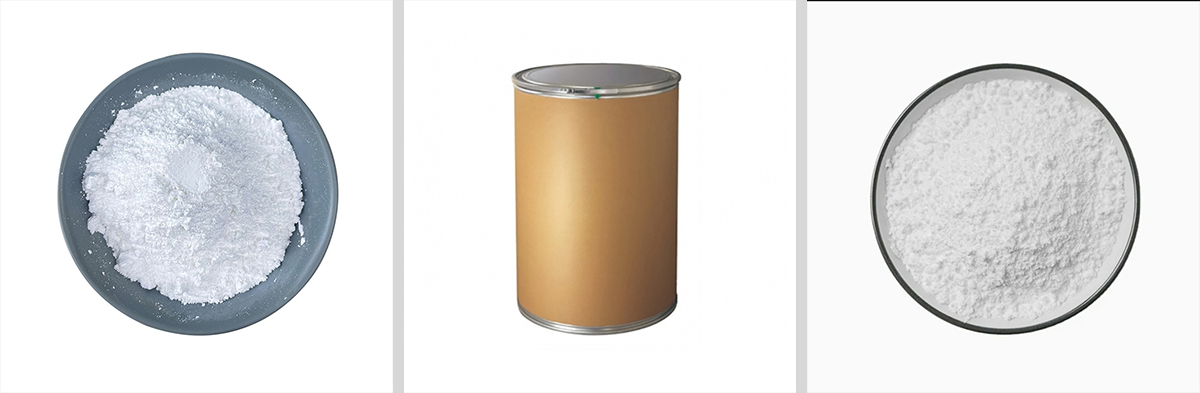
Decabromodiphenyl ether is a white, fine powder, non-corrosive, insoluble in water, ethanol, acetone, benzene, and other solvents, and slightly soluble in chlorinated aromatic hydrocarbons. It has a melting point of 304-309℃, a bromine content greater than 82%, a specific gravity of Chemicalbook 3.02, and good stability. It exhibits good thermal stability with a 5% heat loss temperature greater than 320℃ and an oral LD50 in rats greater than 15% g/kg. It is a non-toxic, non-polluting, and highly effective flame retardant.
Parameters
| Melting point | >300 °C(lit.) |
| Boiling point | 425°C |
| density | 3 g/cm3 |
| vapor pressure | 0Pa at 21℃ |
| refractive index | 1.5000 (estimate) |
| Fp | -12 °C |
| storage temp. | 2-8°C |
| solubility | <0.0001mg/l |
| form | Solid |
| color | White to Light Brown |
| Water Solubility | <0.1 g/100 mL at 20 ºC |
| BRN | 2188438 |
| Stability: | Stable. Incompatible with strong oxidizing agents. |
| InChIKey | WHHGLZMJPXIBIX-UHFFFAOYSA-N |
| LogP | 6.625 at 25℃ |
| CAS DataBase Reference | 1163-19-5(CAS DataBase Reference) |
| IARC | 3 (Vol. 48, 71) 1999 |
| EPA Substance Registry System | Decabromodiphenyl oxide (1163-19-5) |
Safety Information
| Hazard Codes | Xn,Xi,N,F |
| Risk Statements | 20/21/22-67-65-63-50/53-48/20-38-11 |
| Safety Statements | 36/37-62-61-60-16 |
| RIDADR | 3152 |
| WGK Germany | 1 |
| RTECS | KN3525000 |
| Hazard Note | Irritant |
| TSCA | Yes |
| HazardClass | 9 |
| PackingGroup | II |
| HS Code | 29093031 |
| Hazardous Substances Data | 1163-19-5(Hazardous Substances Data) |
| Toxicity | Review IARC: Group 3 IMEMDT 48,73,90; Animal Limited Evidence IMEMDT 48,73,90. NTP Carcinogenesis Studies (feed); Some Evidence: rat NTPTR* NTP-TR-309,86; (feed); Equivocal Evidence: mouse NTPTR* NTP-TR-309,86. Polybrominated biphenyl compounds ar |

Product Application of Decabromodiphenyl Oxide CAS#1163-19-5
Decabromodiphenyl oxide is an additive, non-reactive flame retardant valued for its excellent thermal stability and cost-effectiveness. It is widely applied in thermoplastic and thermoset resins, textiles, and adhesives. Its primary uses include high-impact polystyrene, glass-reinforced thermoplastic polyester and molding resins, low-density polyethylene extrusion coatings, polypropylene (both homo- and copolymers), acrylonitrile butadiene styrene (ABS) rubber, nylon, and polyvinyl chloride (PVC).