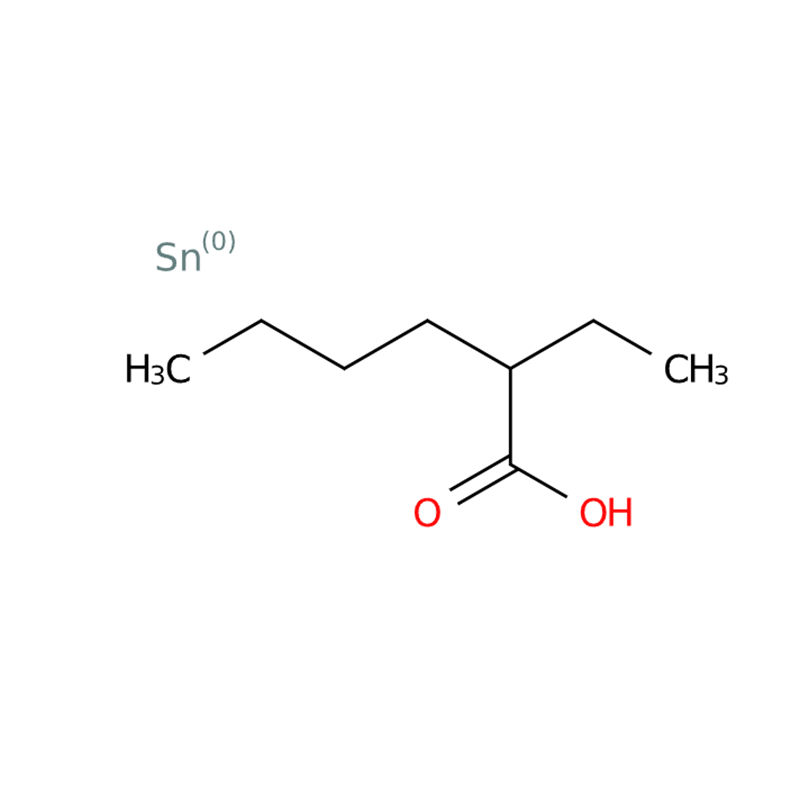
Stannous octoate CAS#301-10-0
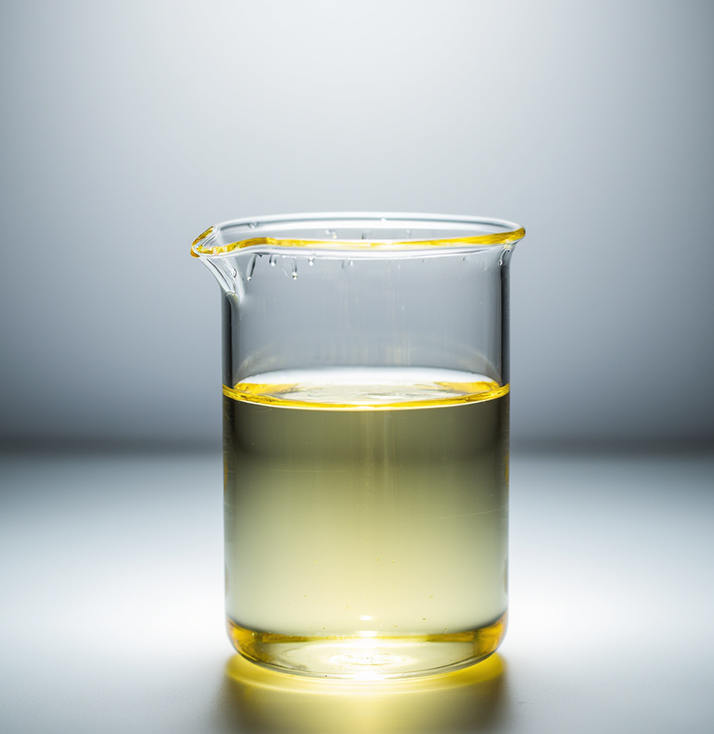
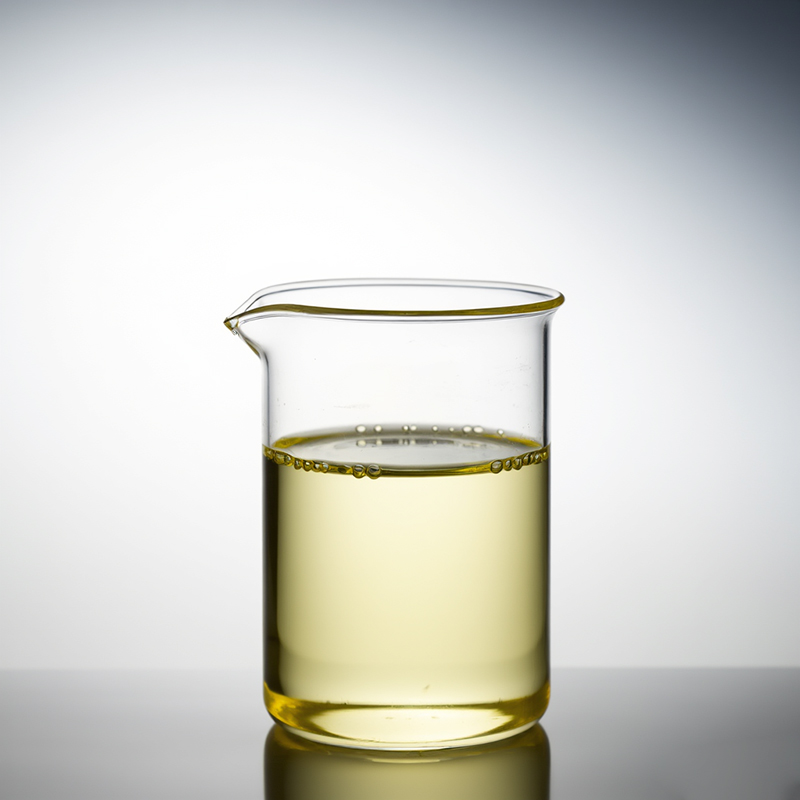
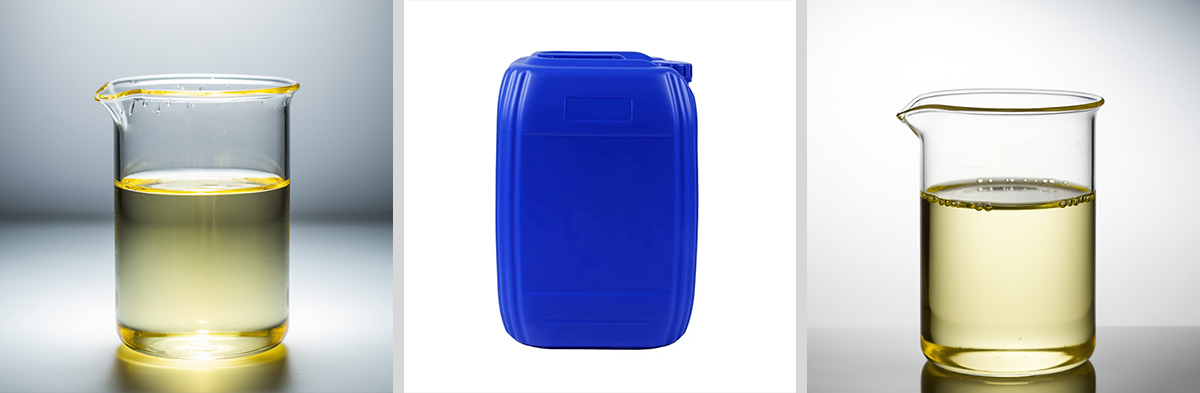
Stable Paste Form: Stannous octoate is available as a white to light yellowish-brown paste, offering ease of handling and formulation.
Good Solubility in Organic Solvents: It is soluble in petroleum ether, making it suitable for various organic-based applications.
Insoluble in Water: Its water insolubility enhances stability in aqueous environments and broadens its industrial utility.
Low Toxicity Profile: Stannous octoate exhibits low toxicity, with oral LD50 in rats of 3400 mg/kg and acute percutaneous LD50 in rabbits over 2000 mg/kg, ensuring safer handling in industrial use.
Product Description of Stannous Octoate CAS#301-10-0
Stannous octoate is a white to light yellowish-brown paste. It is soluble in petroleum ether but insoluble in water. The compound has low toxicity, with an oral LD50 of 3400 mg/kg in rats and an acute percutaneous LD50 greater than 2000 mg/kg in rabbits.
Parameters
| Melting point | <-20°C |
| Boiling point | >200°C |
| density | 1.251 g/mL at 25 °C(lit.) |
| vapor pressure | 0.3Pa at 20℃ |
| refractive index | n20/D 1.493(lit.) |
| Fp | >110°C |
| pka | 5.09[at 20 ℃] |
| form | liquid |
| Specific Gravity | 1.251 |
| Water Solubility | Miscible with water. |
| Hydrolytic Sensitivity | 7: reacts slowly with moisture/water |
| Exposure limits | ACGIH: TWA 0.1 mg/m3; STEL 0.2 mg/m3 (Skin) |
| NIOSH: IDLH 25 mg/m3; TWA 0.1 mg/m3 | |
| InChIKey | KSBAEPSJVUENNK-UHFFFAOYSA-L |
| LogP | 2.64 at 25℃ |
| CAS DataBase Reference | 301-10-0(CAS DataBase Reference) |
| EPA Substance Registry System | Stannous 2-ethylhexanoate (301-10-0) |
Safety Information
| Hazard Codes | Xi,Xn |
| Risk Statements | 36/37/38-62-52/53-43-41-63 |
| Safety Statements | 26-36/37/39-61 |
| WGK Germany | 1 |
| RTECS | MO7870000 |
| TSCA | Yes |
| PackingGroup | III |
| HS Code | 29159000 |
Product Application of Stannous Octoate CAS#301-10-0
Stannous octoate is sensitive to hydrolysis and oxidation and should not be used in combination polyethers (premixes). Its catalytic activity is higher than that of dibutyltin dilaurate. It is widely used as a catalyst in polyurethane production, particularly for soft block polyether-type polyurethane foams, and is also suitable for polyurethane coatings, elastomers, and room-temperature curing silicone rubbers. As a divalent tin compound, it can be oxidized to a tetravalent tin form during foaming, remaining in the foam to act as an antioxidant without adversely affecting the foam’s performance.