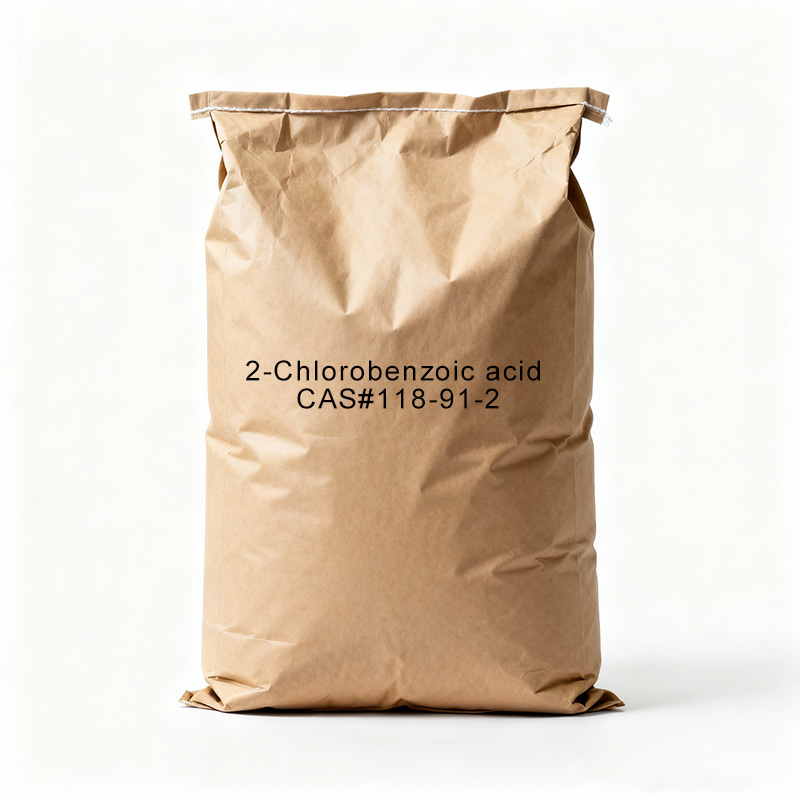

2-Chlorobenzoic Acid CAS#118-91-2
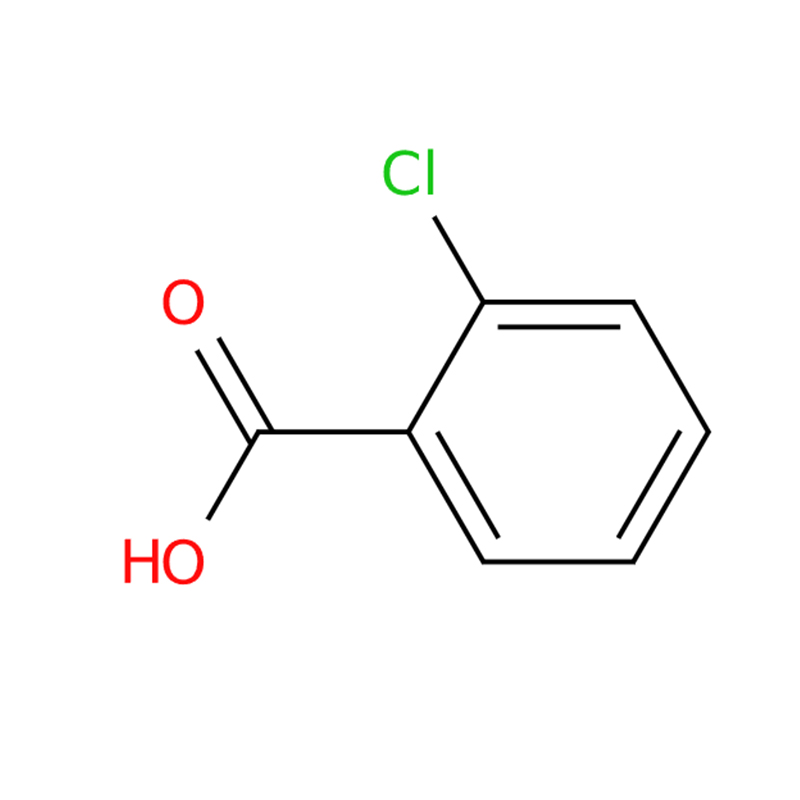
2-Chlorobenzoic acid is an organic compound with the molecular formula ClC₆H₄CO₂H. It is one of the three chlorobenzoic acid isomers and is recognized as the most acidic among them.
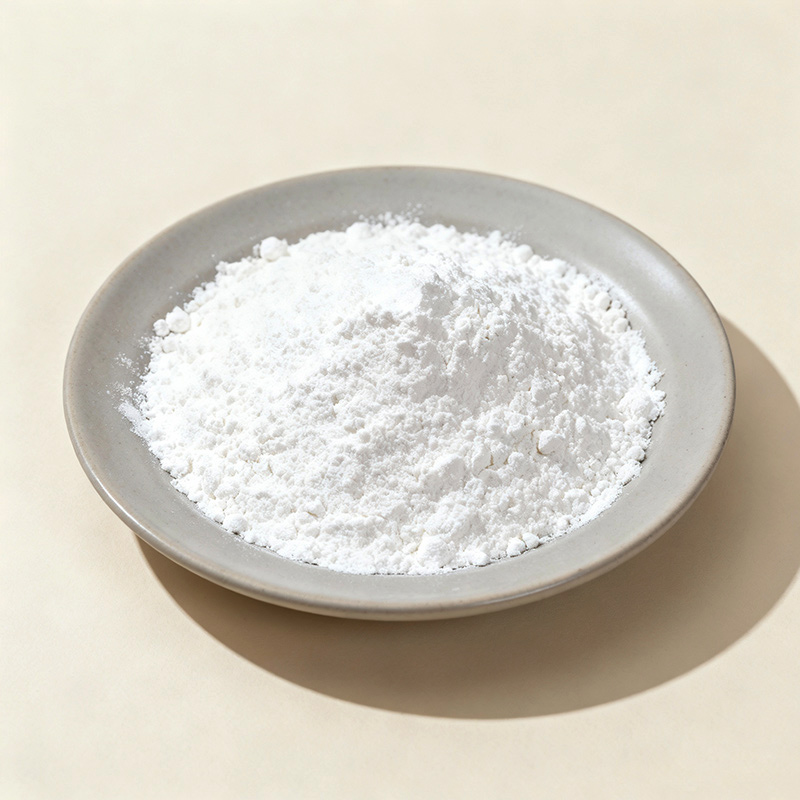
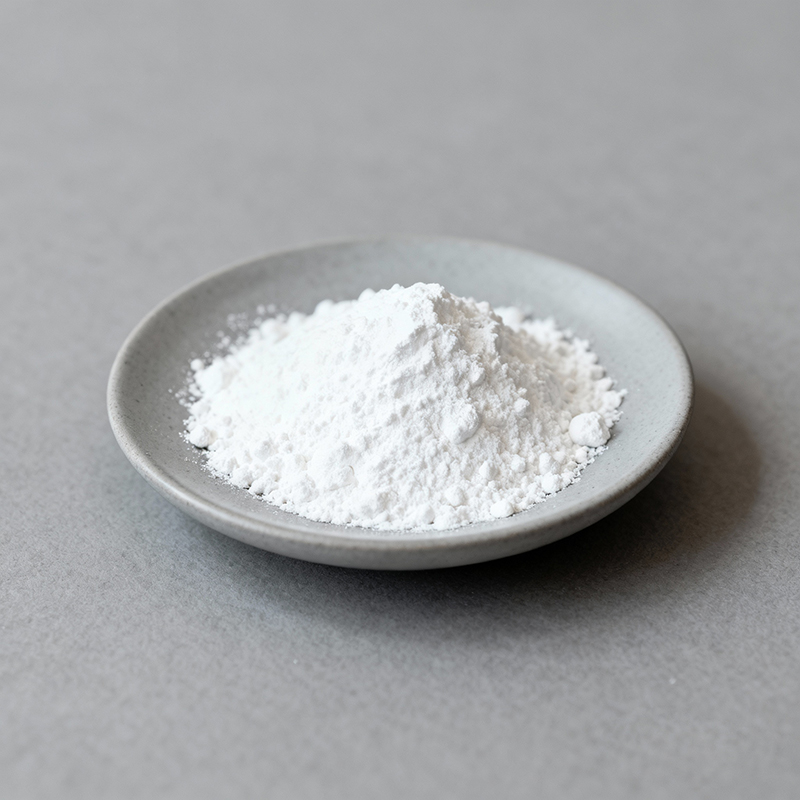
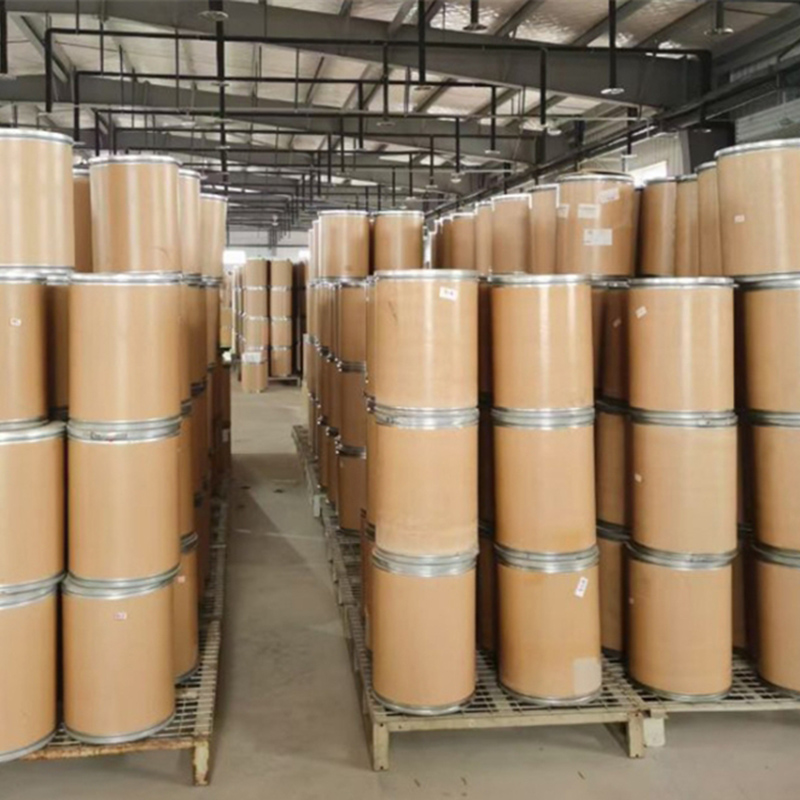
This compound appears as a white solid and is widely utilized as an important intermediate in the manufacture of pharmaceuticals, food additives, dyes, and other fine chemical products.
2-Chlorobenzoic acid Chemical Properties
| Melting point | 138-140 °C (lit.) |
| Boiling point | 285 °C |
| density | 1.544 |
| vapor pressure | 0.001 hPa (25 °C) |
| refractive index | 1.5812 (estimate) |
| Fp | 173 °C |
| storage temp. | Store below +30°C. |
| solubility | cold water: soluble900 part |
| pka | 2.92(at 25℃) |
| form | Powder |
| color | White to off-white |
| PH | 3.4 (0.2g/l, H2O, 20℃) |
| Water Solubility | soluble in hot water |
| Merck | 142124 |
| BRN | 907340 |
| Stability: | Stable, combustible. Incompatible with strong bases, strong oxidizing agents. |
| InChI | 1S/C7H5ClO2/c8-6-4-2-1-3-5(6)7(9)10/h1-4H,(H,9,10) |
| InChIKey | IKCLCGXPQILATA-UHFFFAOYSA-N |
| SMILES | OC(=O)c1ccccc1Cl |
| CAS DataBase Reference | 118-91-2(CAS DataBase Reference) |
| NIST Chemistry Reference | Benzoic acid, 2-chloro-(118-91-2) |
| EPA Substance Registry System | o-Chlorobenzoic acid (118-91-2) |
Safety Information
| Hazard Codes | Xi |
| Risk Statements | 36-36/37/38 |
| Safety Statements | 26-37/39 |
| WGK Germany | 2 |
| RTECS | DG4976000 |
| Autoignition Temperature | 530 °C |
| Hazard Note | Irritant |
| TSCA | TSCA listed |
| HS Code | 29163900 |
| Storage Class | 11 - Combustible Solids |
| Hazard Classifications | Eye Irrit. 2 |
| Skin Irrit. 2 | |
| Hazardous Substances Data | 118-91-2(Hazardous Substances Data) |
| Toxicity | LD50 orally in Rabbit: 2465 mg/kg |

Product Application of 2-Chlorobenzoic Acid CAS#118-91-2
2-Chlorobenzoic acid has been utilized in studies investigating the toxicity of halogenated benzoic acids. Research has shown that the toxicity of these compounds is closely associated with their hydrophobic properties. It has also been employed in quantitative structure–activity relationship (QSAR) studies evaluating the effects of benzoic acid derivatives on Pseudokirchneriella subcapitata.