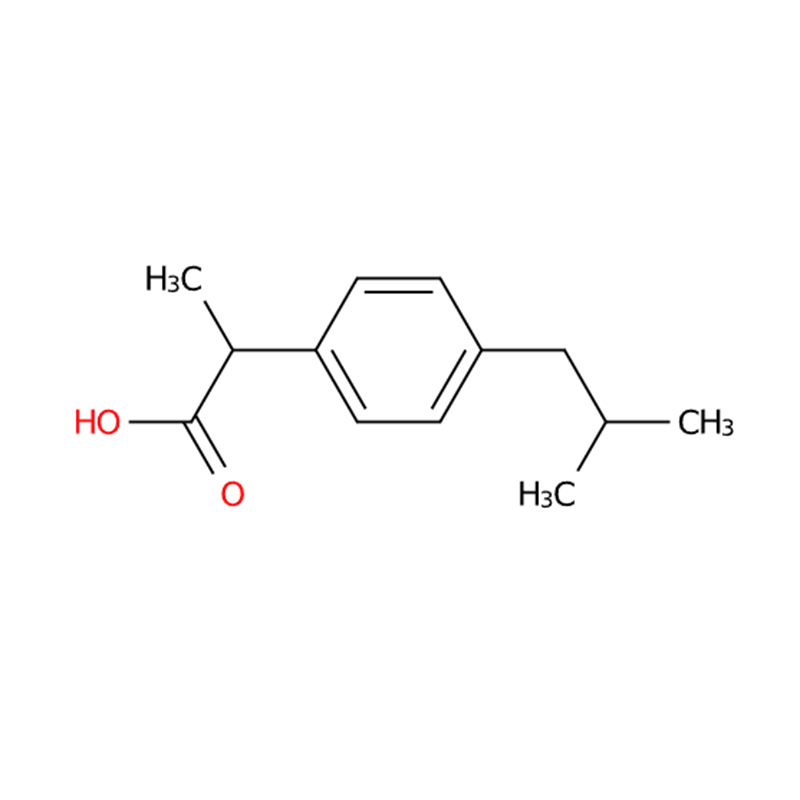
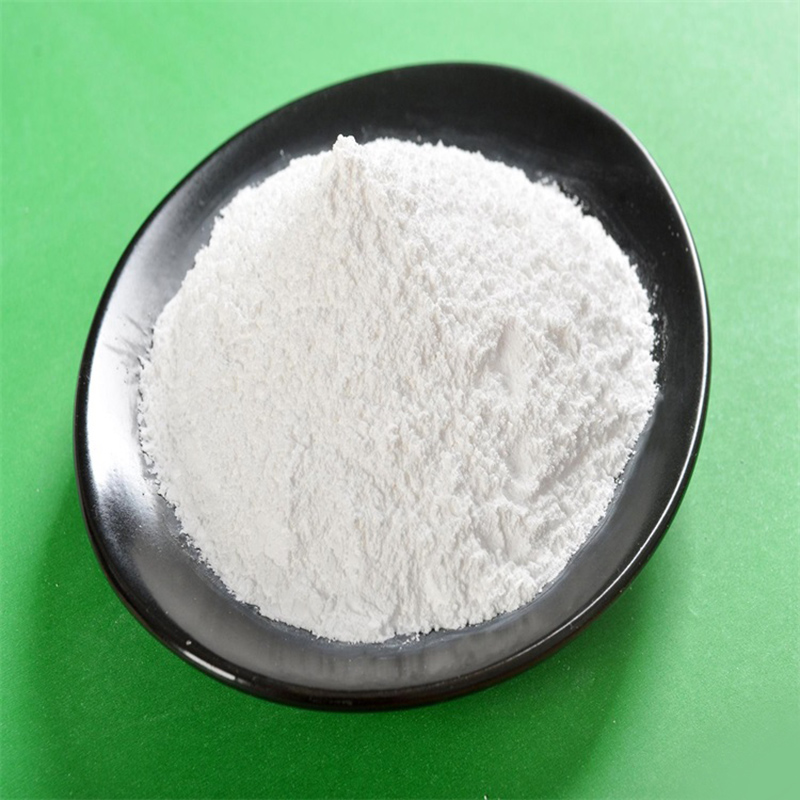
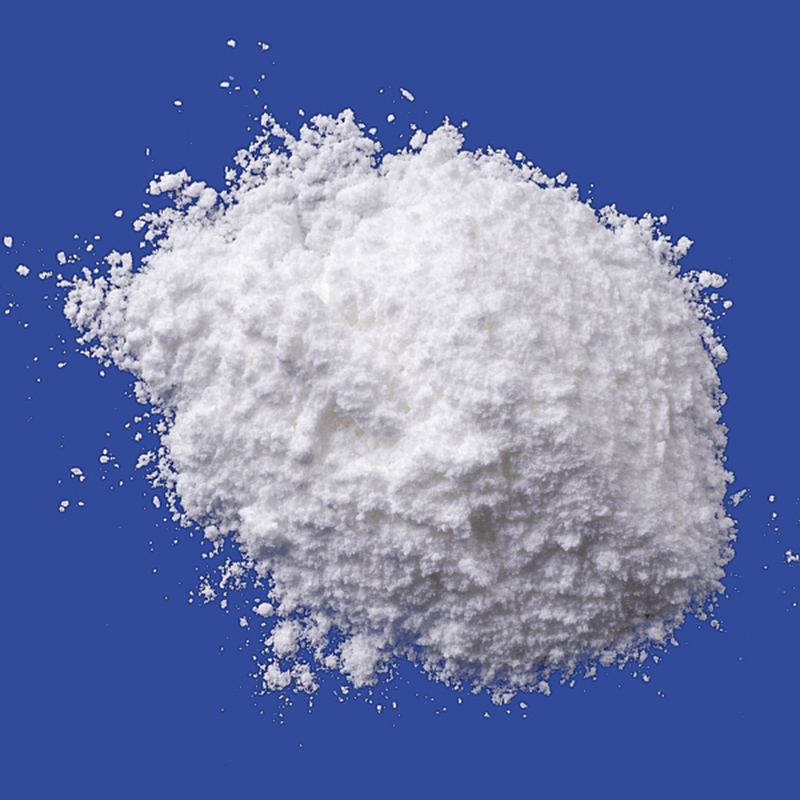


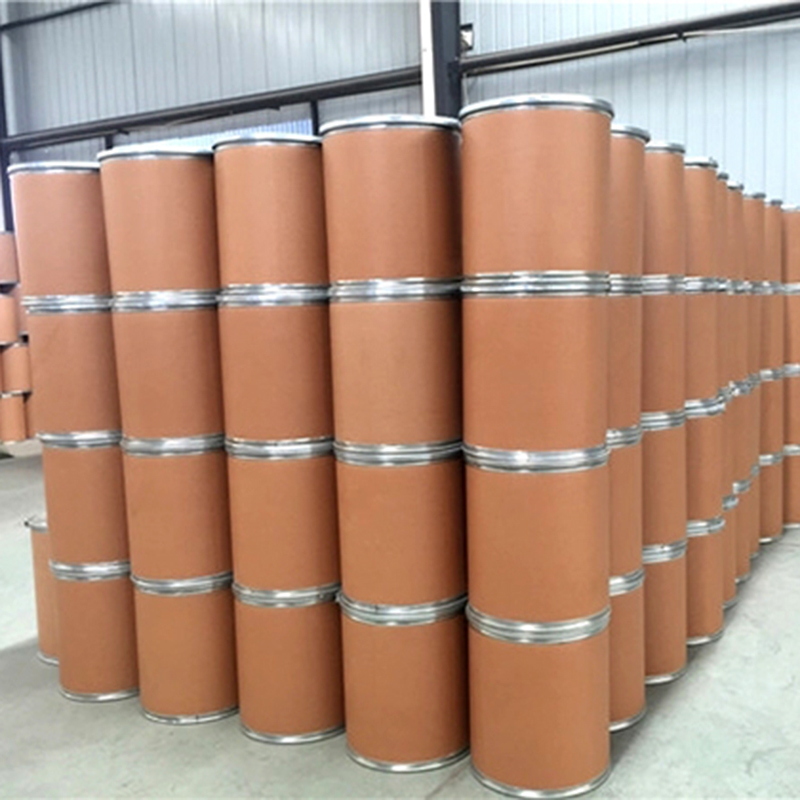
Ibuprofen CAS#15687-27-1
Comprehensive pain relief – Ibuprofen effectively alleviates various types of pain, including headaches, muscle aches, and joint discomfort, making it a reliable analgesic for everyday use.
Strong anti-inflammatory effect – It reduces inflammation in the body, providing therapeutic benefits for conditions such as arthritis and rheumatic disorders.
Fever-lowering capability – As an antipyretic, ibuprofen helps to reduce elevated body temperature, supporting its use in managing fever-related symptoms, though it is less frequently used for this purpose compared to paracetamol and aspirin.
Widely trusted and well-tolerated – With minimal adverse reactions, ibuprofen has gained global popularity and is recognized as one of the best-selling over-the-counter medications, considered alongside aspirin and paracetamol as a core product in antipyretic and analgesic treatments.
Products Description of Ibuprofen CAS#15687-27-1
Ibuprofen, a well-known non-steroidal anti-inflammatory drug (NSAID), is widely used as an analgesic and antipyretic agent. It provides effective pain relief, reduces inflammation, and helps lower fever, while exhibiting minimal adverse effects.
Globally, ibuprofen is one of the best-selling over-the-counter medications and is considered one of the three cornerstone antipyretic and analgesic drugs, alongside aspirin and paracetamol. In my country, its primary applications focus on pain management and anti-rheumatic therapy, while its use for colds and fever is less common compared to paracetamol and aspirin.
Parameters
| Melting point | 77-78 °C |
| Boiling point | 157 °C (4 mmHg) |
| alpha | [α]D20 -1~+1°(c=1,C2H5OH) |
| density | 1.0364 (rough estimate) |
| refractive index | 1.5500 (estimate) |
| Fp | 9℃ |
| storage temp. | 2-8°C |
| solubility | Practically insoluble in water, freely soluble in acetone, in methanol and in methylene chloride. It dissolves in dilute solutions of alkali hydroxides and carbonates. |
| pka | pKa 4.45± 0.04(H2O,t = 25±0.5,I=0.15(KCl))(Approximate) |
| form | Crystalline Powder |
| color | white to off-white |
| biological source | synthetic (organic) |
| Water Solubility | insoluble |
| Merck | 144881 |
| BCS Class | 2 |
| Stability: | Stable. Combustible. Incompatible with strong oxidizing agents. |
| InChIKey | HEFNNWSXXWATRW-UHFFFAOYSA-N |
| LogP | 3.97 |
| CAS DataBase Reference | 15687-27-1(CAS DataBase Reference) |
| NIST Chemistry Reference | Ibuprofen(15687-27-1) |
| EPA Substance Registry System | Benzeneacetic acid, .alpha.-methyl-4-(2-methylpropyl)- (15687-27-1) |
| Hazard Codes | Xn |
| Risk Statements | 22-63-51/53-39/23/24/25-23/24/25-11 |
| Safety Statements | 36-61-36/37-45-16-7 |
| HS Code | 29163920 |
| Hazardous Substances Data | 15687-27-1(Hazardous Substances Data) |
| Toxicity | LD50 in male mice, rats (mg/kg): 495, 626 i.p.; 1255, 1050 orally (Orzalesi) |

Product Application of Ibuprofen CAS#15687-27-1
Ibuprofen exhibits anti-inflammatory, analgesic, and antipyretic effects. While its efficacy in treating rheumatism and rheumatoid arthritis is slightly lower than that of acetylsalicylic acid and phenylbutazone, it is still widely used for managing conditions such as rheumatoid arthritis, osteoarthritis, ankylosing spondylitis, and neuritis. Notably, this product ranked 13th in U.S. drug sales in 1985.
It functions as a prostaglandin (PG) synthase inhibitor, providing combined antipyretic, analgesic, and anti-inflammatory effects. Additionally, ibuprofen acts as a cyclooxygenase (COX) inhibitor, exhibiting stronger inhibition of COX-1 than COX-2, contributing to its therapeutic benefits.