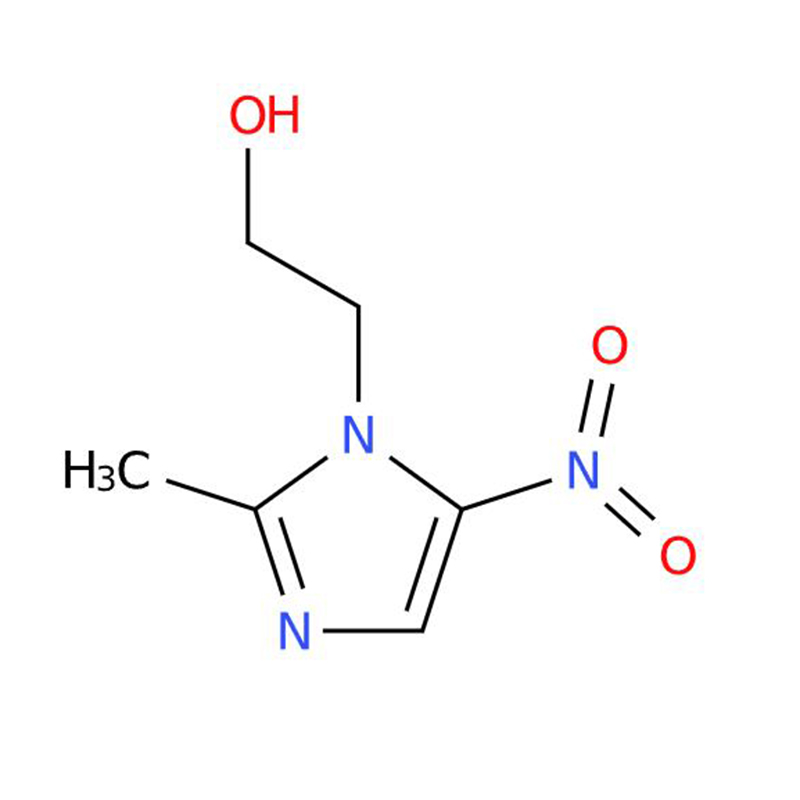

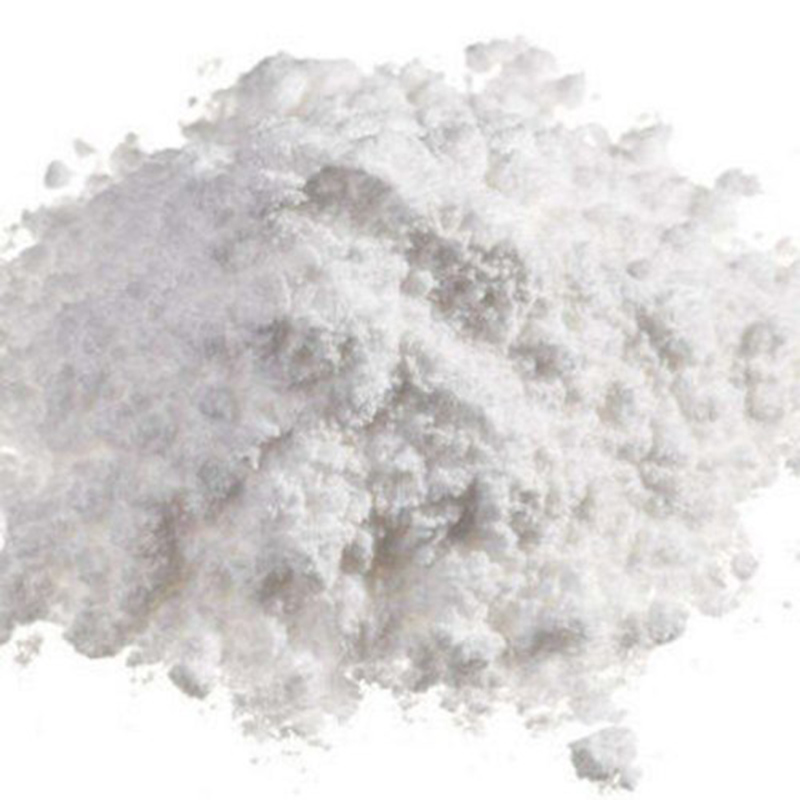



Metronidazole CAS#443-48-1
Effective anti-anaerobic activity – Metronidazole has strong bactericidal effects against a wide range of anaerobic microorganisms.
Dual-action mechanism – Both the drug and its metabolites inhibit bacterial DNA synthesis, effectively stopping bacterial growth and reproduction.
Clinically proven efficacy – Recognized by the World Health Organization as a key treatment for anaerobic infections with significant therapeutic results.
Broad therapeutic applications – Widely used for the prevention and treatment of various infections, including oral, respiratory, gastrointestinal, abdominal, skin, and systemic infections caused by anaerobic bacteria.
Product Description of Metronidazole CAS#443-48-1
Metronidazole is a nitroimidazole antibiotic with strong activity against anaerobic microorganisms. When reduced in the human body, its metabolites also exhibit anti-anaerobic effects by inhibiting the synthesis of bacterial DNA, thereby disrupting bacterial growth and reproduction and ultimately leading to cell death. It is effective against a range of anaerobic organisms, including Bacteroides fragilis, Fusobacterium, Clostridium tetani, Peptococcus, Peptostreptococcus, and Giardia.
Initially used for the treatment of vaginal trichomoniasis with significant clinical efficacy, metronidazole was later found to be effective against anaerobic bacteria responsible for oral infections. In 1978, it was recognized by the World Health Organization as a specific drug for the treatment of anaerobic infections and has since been widely used for the prevention and treatment of oral anaerobic conditions.
In clinical settings, it is also commonly applied in the prevention and treatment of infections caused by anaerobic bacteria, including those affecting the respiratory tract, digestive system, abdomen and pelvis, as well as skin, soft tissue, bone and joints, pericardium, bloodstream (sepsis), and central nervous system.
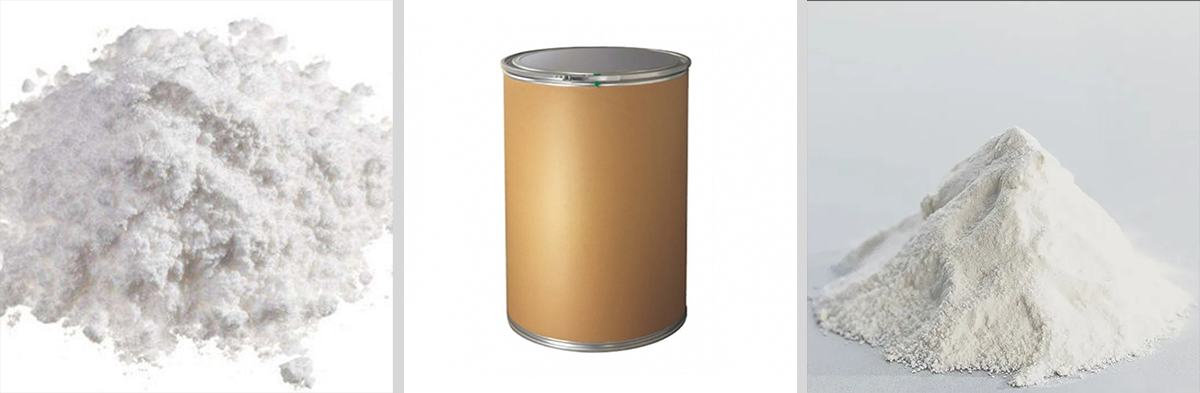
Parameters
| Melting point | 159-161 °C (lit.) |
| Boiling point | 301.12°C (rough estimate) |
| density | 1.3994 (rough estimate) |
| refractive index | 1.5800 (estimate) |
| Fp | 9℃ |
| storage temp. | 2-8°C |
| solubility | acetic acid: 0.1 M, clear, faintly yellow |
| form | crystalline |
| pka | pKa 2.62(H2O,t =25±0.2,Iundefined) (Uncertain) |
| color | white to light yellow |
| Water Solubility | <0.1 g/100 mL at 20 ºC |
| Merck | 146157 |
| BRN | 611683 |
| BCS Class | 1,3 |
| Stability: | Stable. Incompatible with strong oxidizing agents. |
| InChIKey | VAOCPAMSLUNLGC-UHFFFAOYSA-N |
| LogP | -0.02 |
| IARC | 2B (Vol. 13, Sup 7) 1987 |
| NIST Chemistry Reference | Metronidazole(443-48-1) |
| EPA Substance Registry System | Metronidazole (443-48-1) |
| Hazard Codes | Xn |
| Risk Statements | 40-46-45-39/23/24/25-23/24/25-11 |
| Safety Statements | 36/37-45-53-16-7 |
| WGK Germany | 3 |
| RTECS | NI5600000 |
| F | 8 |
| HS Code | 29332990 |
| Hazardous Substances Data | 443-48-1(Hazardous Substances Data) |

Product Application of Metronidazole CAS#443-48-1
This product has been used since 1959 for the treatment of vaginal trichomoniasis, and since 1970 for intestinal and extraintestinal amoebiasis. It is characterized by high efficacy, low toxicity, and a broad range of applications. However, animal studies have shown potential mutagenic and teratogenic effects.
Metronidazole exhibits strong antibacterial activity against most anaerobic bacteria. It is widely used in the treatment of amoebiasis, trichomoniasis, and various anaerobic infections.