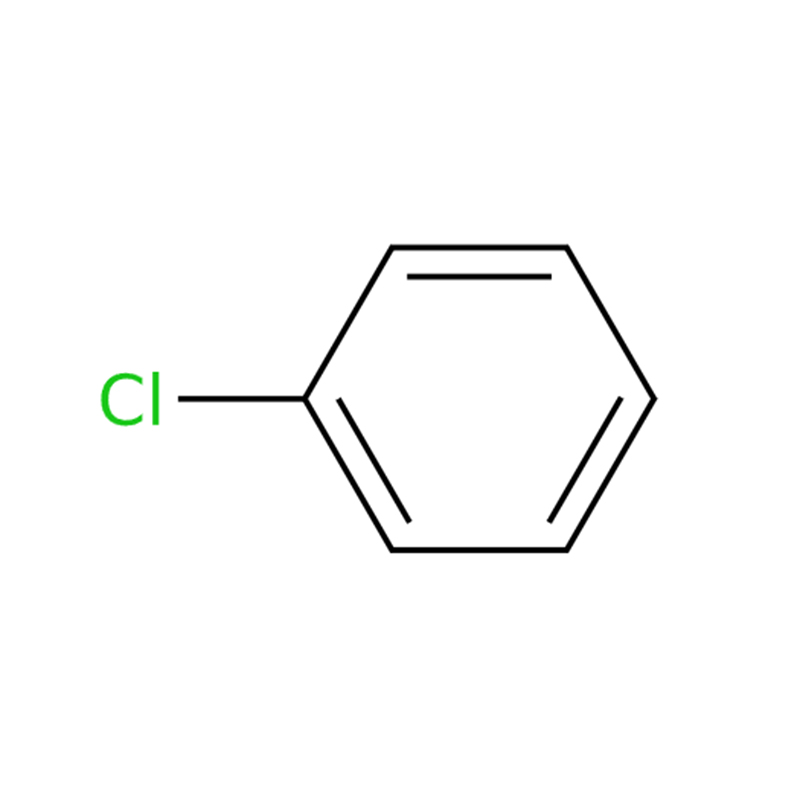
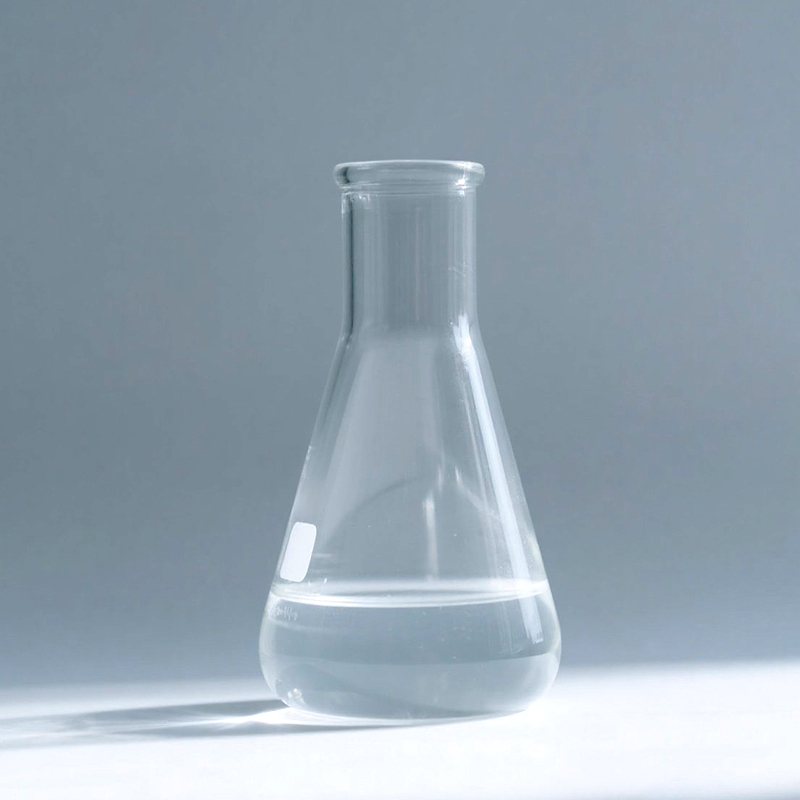
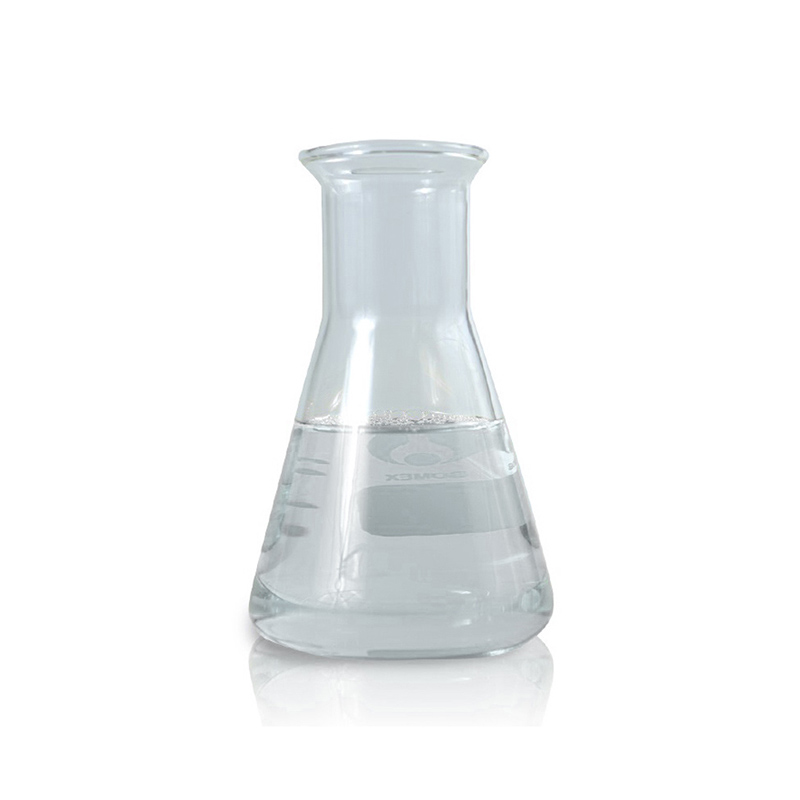
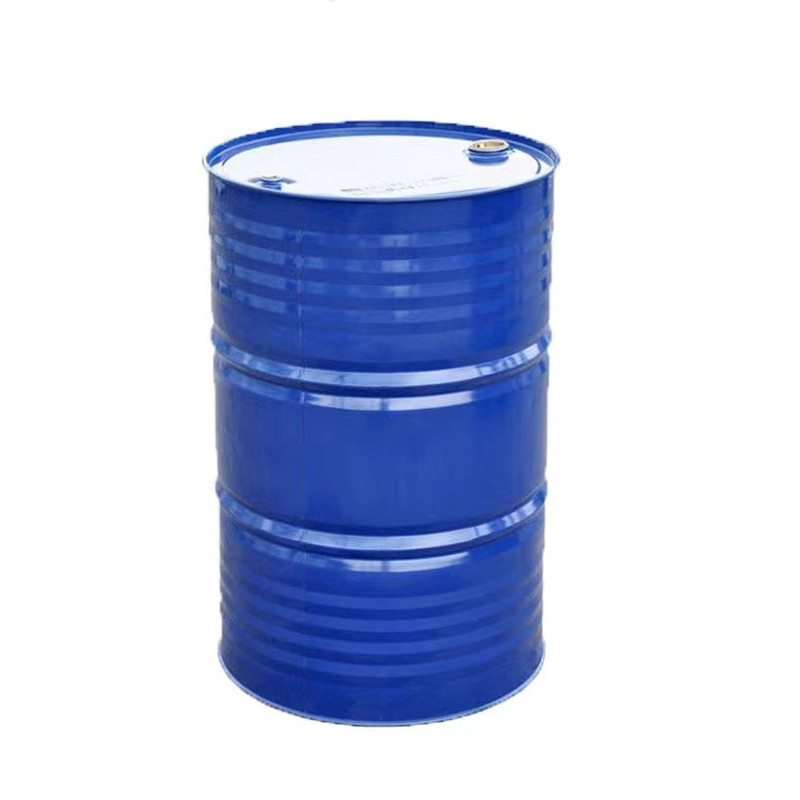

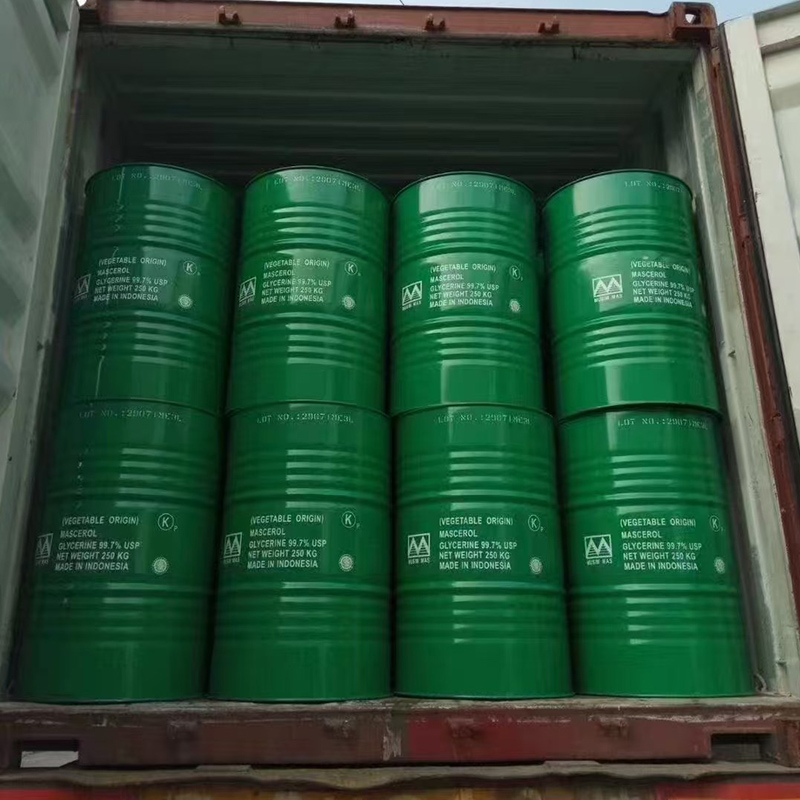
Chlorobenzene CAS#108-90-7
High Purity and Consistent Quality: Technical-grade chlorobenzene is typically produced at approximately 99% purity, with very low levels of benzene and dichlorobenzene impurities, ensuring reliable performance in industrial applications.
Excellent Solvent Properties: Exhibits high solubility in nonpolar solvents and serves as an effective solvent for a wide range of chemical processing and manufacturing operations.
Important Chemical Intermediate: Widely used as a key intermediate in the production of numerous chemicals, supporting applications across pharmaceutical, agrochemical, dye, and specialty chemical industries.
Favorable Physical Characteristics: A colorless liquid with relatively high vapor pressure, moderate partition coefficient, and stable handling properties, making it suitable for various industrial synthesis and formulation processes.
Chlorobenzene CAS#108-90-7
Chlorobenzene is a monocyclic aromatic compound in which one hydrogen atom on the benzene ring is replaced by a chlorine atom. It is typically manufactured through the liquid-phase chlorination of benzene in the presence of a catalyst.
At room temperature, chlorobenzene is a colorless, flammable liquid with a characteristic sweet almond-like odor. It exhibits relatively high vapor pressure, a moderate octanol-water partition coefficient (log Kow 2.8), and moderate to low water solubility (497.9 mg/L at 25°C). While highly soluble in nonpolar solvents, it is practically insoluble in water.
Technical-grade chlorobenzene is generally supplied at a purity of approximately 99%, containing less than 0.05% benzene and less than 0.1% dichlorobenzene impurities. It is widely used as an industrial solvent and as an important intermediate in the manufacture of various chemical products.
In addition, certain microorganisms, such as Rhodococcus phenolicus, are capable of utilizing chlorobenzene as their sole carbon source, enabling its biodegradation under appropriate conditions.
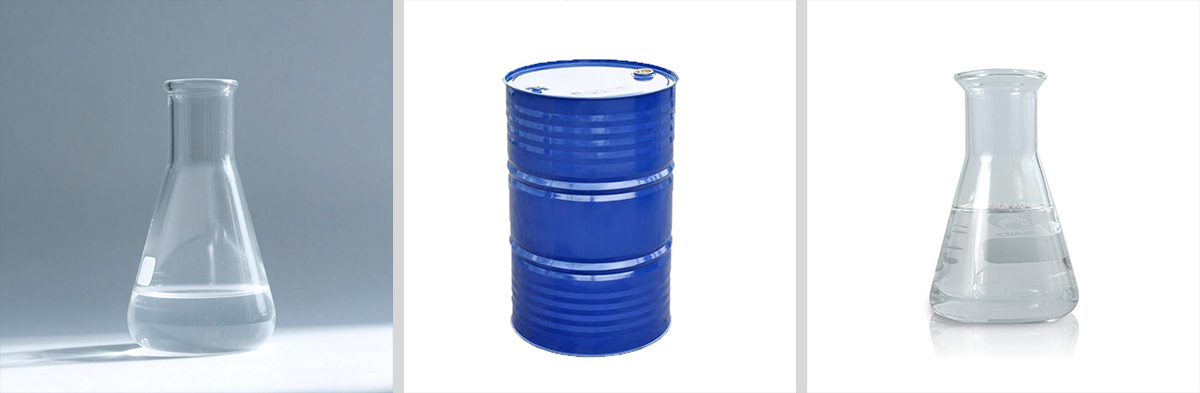
Chlorobenzene Chemical Properties
| Melting point | -45 °C (lit.) |
| Boiling point | 132 °C (lit.) |
| density | 1.106 g/mL at 25 °C (lit.) |
| vapor density | 3.86 (vs air) |
| vapor pressure | 11.8 mm Hg ( 25 °C) |
| refractive index | n20/D 1.524(lit.) |
| Fp | 75 °F |
| storage temp. | 2-8°C |
| solubility | water: soluble0.207 g/L at 20°C |
| form | Liquid |
| color | APHA: ≤30 |
| Odor | Almond like odour |
| PH | 7 (20°C) |
| Relative polarity | 0.188 |
| explosive limit | 1.3-11%(V) |
| Water Solubility | 0.4 g/L (20 ºC) |
| FreezingPoint | -45.6℃ |
| λmax | λ: 288 nm Amax: 1.0 |
| λ: 290 nm Amax: 0.40 | |
| λ: 300 nm Amax: 0.05 | |
| λ: 325 nm Amax: 0.04 | |
| λ: 360-400 nm Amax: 0.01 | |
| Merck | 142121 |
| BRN | 605632 |
| Henry's Law Constant | 1.11, 1.54, 1.81, 2.80, and 3.79 at 2.0, 6.0, 10.0, 18.0, and 25.0 °C, respectively (EPICS-SPME, Dewulf et al., 1999)(x 10-3 atm?m3/mol) |
| Dielectric constant | 5.6(25℃) |
| Exposure limits | TLV-TWA 75 ppm (~345 mg/m3) (ACGIH, MSHA, OSHA, and NIOSH); IDLH 2400 ppm. |
| Stability: | Stable. Incompatible with oxidizing agents. Flammable. Attacks some types of plastics, rubber and coatings. |
| LogP | 3 at 20℃ |
| Surface tension | 32.42mN/m at 298.15K |
| CAS DataBase Reference | 108-90-7(CAS DataBase Reference) |
| NIST Chemistry Reference | Benzene, chloro-(108-90-7) |
| EPA Substance Registry System | Chlorobenzene (108-90-7) |
Safety Information
| Hazard Codes | Xn,N,T,F |
| Risk Statements | 10-20-51/53-40-39/23/24/25-23/24/25-11 |
| Safety Statements | 24/25-61-36/37-45-16-7 |
| RIDADR | UN 1134 3/PG 3 |
| WGK Germany | 2 |
| RTECS | CZ0175000 |
| F | 46091 |
| Autoignition Temperature | 590 °C |
| TSCA | Yes |
| HazardClass | 3 |
| PackingGroup | III |
| HS Code | 29039190 |
| Hazardous Substances Data | 108-90-7(Hazardous Substances Data) |
| Toxicity | LD50 orally in Rabbit: 2000 - 4000 mg/kg |
| IDLA | 1,000 ppm |

Product Application of Chlorobenzene CAS#108-90-7
Chlorobenzene is a halogenated aromatic compound widely used in a variety of industrial applications. It serves as an effective solvent for paints and coatings, as well as a heat-transfer medium in chemical processing operations.
In chemical manufacturing, chlorobenzene is an important intermediate for the production of phenol, aniline, and nitrochlorobenzene derivatives. Today, it is also extensively used as a solvent in pesticide formulations, in the manufacture of diisocyanates, and for degreasing automotive components.
Additionally, chlorobenzene is utilized in the production of nitrochlorobenzene and in quantitative structure–activity relationship (QSAR) studies related to agricultural pollutants and chemical toxicity assessment.