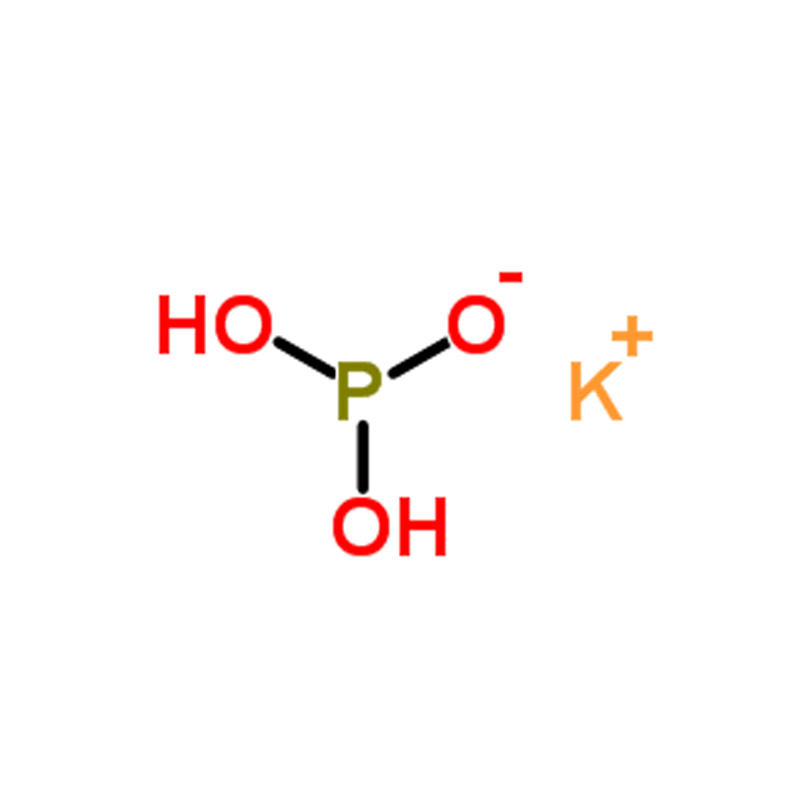
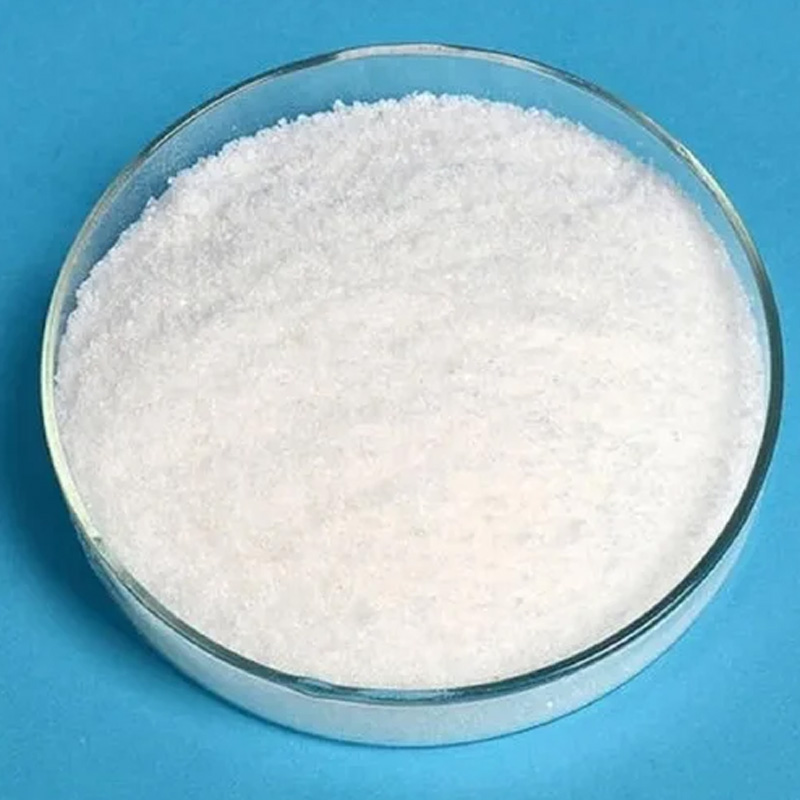
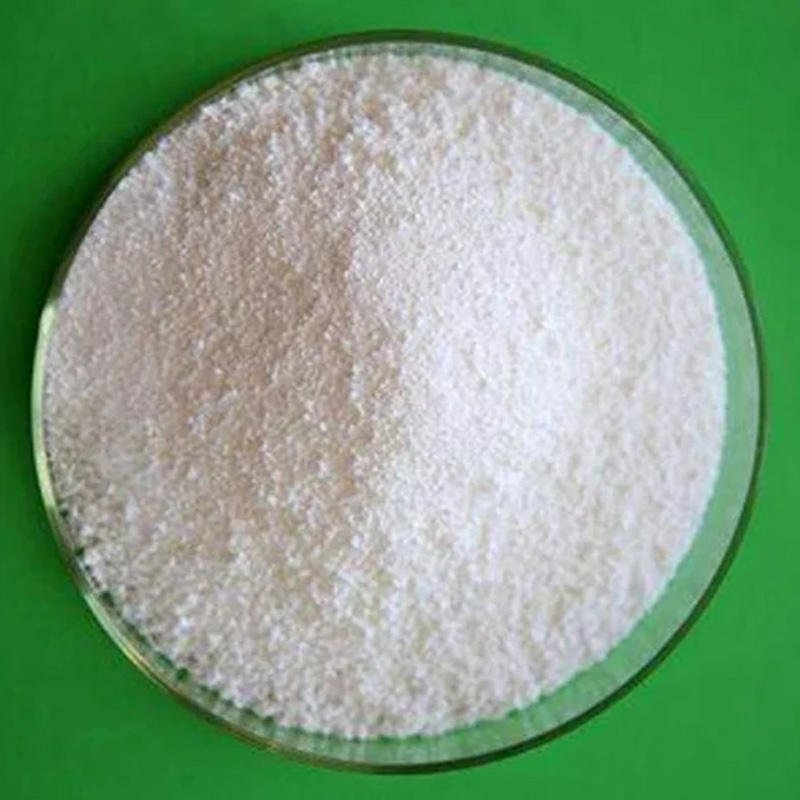


Monopotassium phosphite CAS# 13977-65-6
Effective Bactericide for Industrial Water Systems – Potassium dihydrogen phosphite acts as a direct bactericide, helping to control microbial growth in industrial circulating water and maintain system hygiene.
Calcium and Magnesium Ion Complexing Agent – It functions as an efficient chelating agent, binding calcium and magnesium ions in water systems to prevent scale formation and improve operational efficiency.
Environmentally Friendly Water Treatment Alternative – As a substitute for traditional organophosphorus water treatment agents, it significantly reduces environmental pollution while maintaining high performance in industrial applications.
Highly Mobile and Easily Absorbed by Plants – This compound is readily absorbed by plant leaves and roots and translocated throughout the plant via xylem and phloem, making it effective for foliar spraying and irrigation fertilization to rapidly deliver nutrients and enhance plant growth.
Monopotassium phosphite CAS# 13977-65-6
Potassium dihydrogen phosphite, a chemical with the molecular formula KH₂PO₃, can be used as a direct bactericide and a complexing agent for calcium and magnesium ions in industrial circulating water. It can replace organophosphorus water treatment agents, reducing environmental pollution. Phosphite is a highly mobile molecule that can be easily absorbed by plant leaves and roots and moves throughout the plant. Therefore, phosphoric acid can be applied through foliar spraying and irrigation fertilization, and is rapidly moved and absorbed through the xylem and phloem.
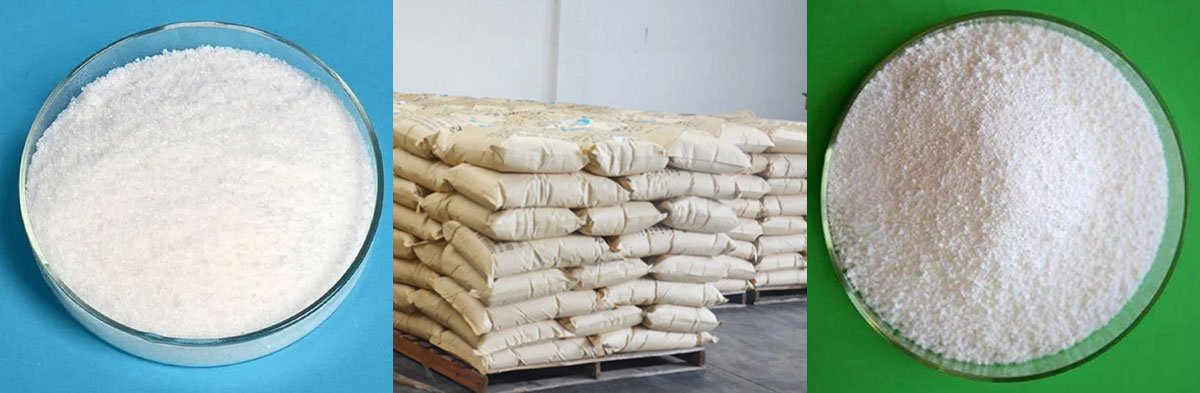
Monopotassium phosphite Chemical Properties
| English Name | Monopotassium phosphite |
| English Synonyms | MONOPOTASSIUM PHOSPHITE; Phosphorous acid dihydrogen=potassium salt; Monopotassium phosph; Pot assium dihydrogen phosphite; Monopotassium phosphite kh2po3; Monopotassium phosphite ISO 9001 : 20 15 REACH; Monopotassium phosphite,?98%6; Monopotassium phosphite , Potassium dihydrogen phosphite |
| CAS Number | 13977-65-6 |
| Molecular Formula | H2KO3Р |
| Molecular Weight | 120.09 |
| EINECS Number | 604-162-9 |
| form | Crystalline |
| color | colorless monoclinic hygroscopic crystals, crystalline |
| InChI | InChI=1S/K.H2O3P/c;1-4(2)3/h;1-2H/q+1;-1 |
| InChIKey | BZHCGFBZBPVRFE-UHFFFAOYSA-N |
| SMILES | P(O)(O)[O-].[K+] |
| Dissociation constant | 6.86-6.87 |
| CAS DataBase Reference | 13977-65-6(CAS DataBase Reference) |
| EPA Substance Registry System | Monopotassium phosphite (13977-65-6) |

1. This is a high-phosphorus, high-potassium, fully water-soluble fertilizer. After application, crops quickly receive phosphorus, potassium, and various trace elements, promoting shoot growth, flower bud differentiation, fruit expansion, earlier maturity, increased yield, and improved quality.
2. It reduces nutrient deficiency symptoms in crops, such as yellowing and deformed leaves, small leaves, flower drop, and fruit cracking.
3. It is not easily fixed in the soil, is easily absorbed, and has a high absorption and utilization rate.
4. It does not easily antagonize trace elements, has a near-neutral pH, and can be mixed with most pesticides and fertilizers.
5. When pathogens invade, potassium dihydrogen phosphate can induce seedling cells to produce lignin, increasing cell wall thickness and hardness, thus inhibiting pathogen invasion and spread.
6. Trivalent phosphorus ions have a strong bactericidal effect against fungi and bacteria, and have preventive and therapeutic effects on most diseases such as canker.
7. Potassium dihydrogen phosphate is a registered fungicide abroad, effective against diseases such as downy mildew, powdery mildew, black spot, Phytophthora, and root rot.