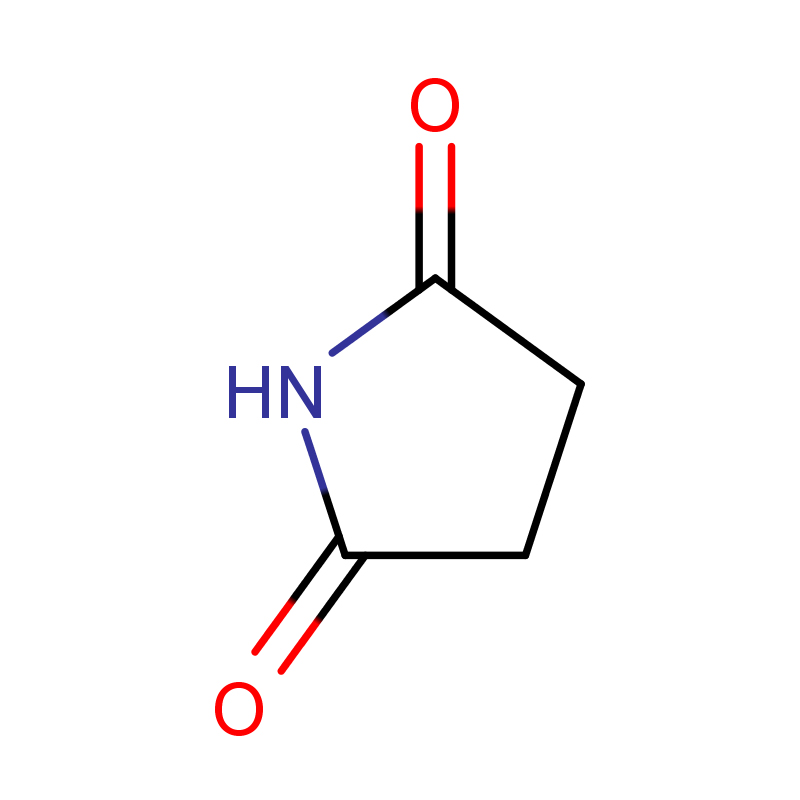
Polysuccinimide CAS#5608-40-6
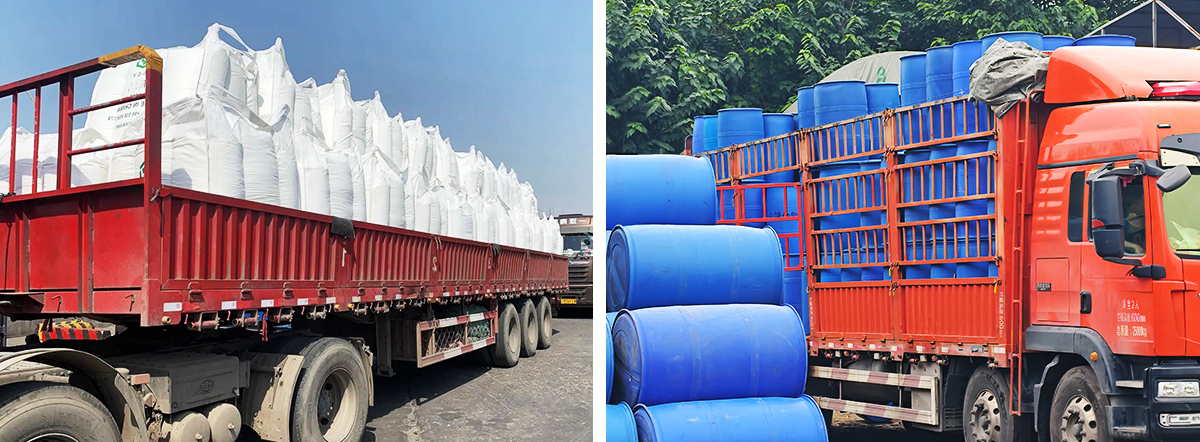
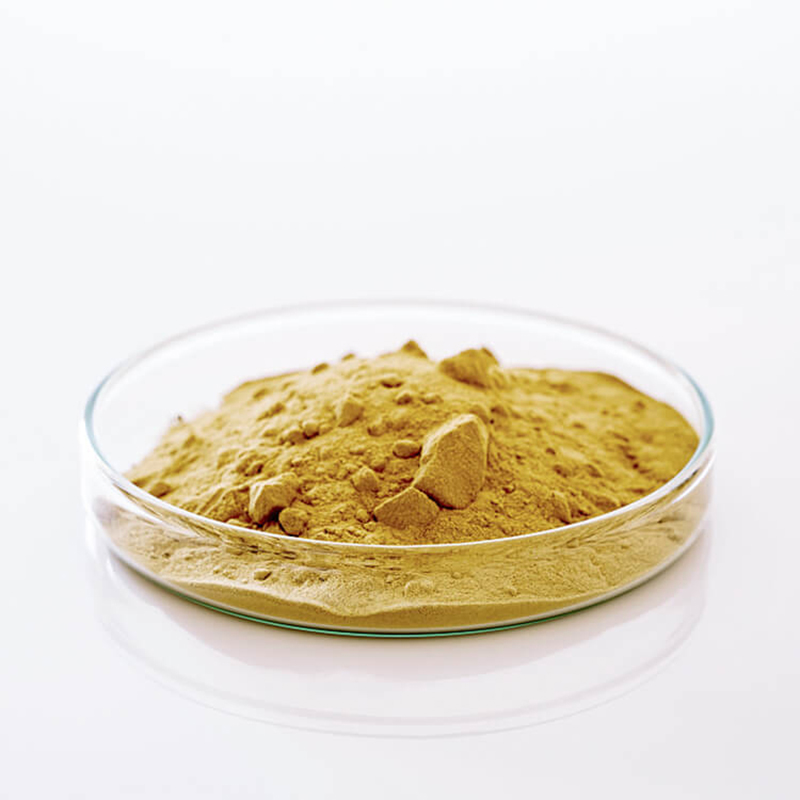
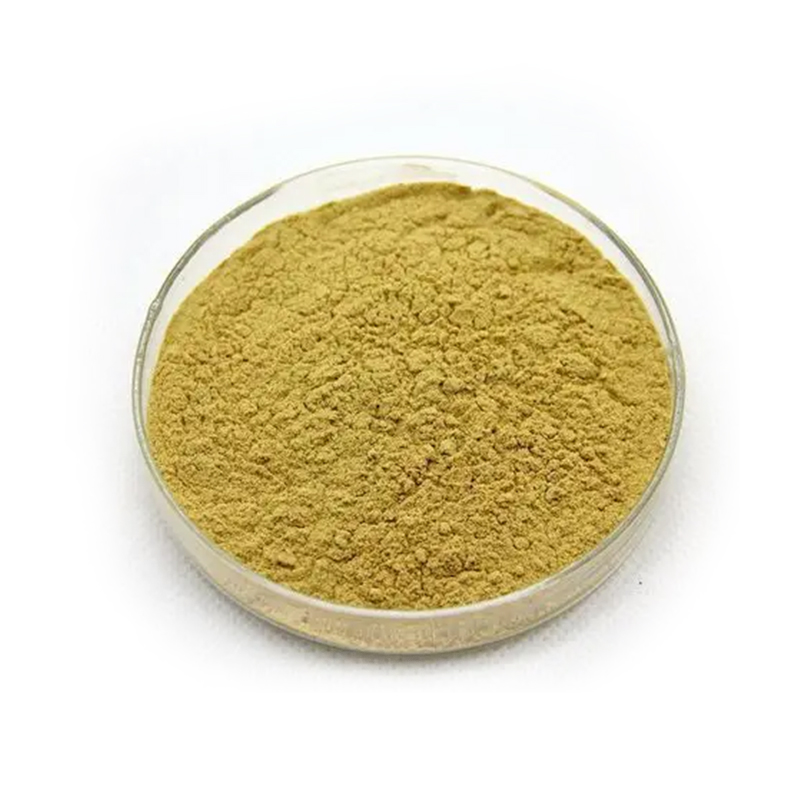
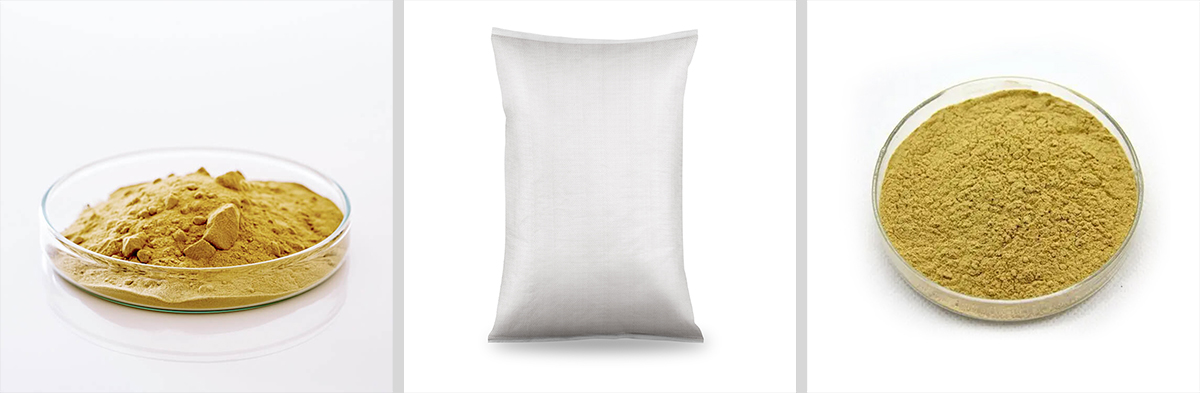
Distinct Physical Form: Polysuccinimide typically appears as a white to off-white powder-like solid, making it easy to identify and handle in industrial applications.
Stable in Common Solvents: It is insoluble in common organic solvents such as water, ethanol, and acetone, indicating good stability in typical processing environments.
Selective Solubility in Strong Polar Solvents: The compound can partially dissolve or swell in highly polar solvents like DMSO and N-methylpyrrolidone (NMP), enabling specialized formulation use.
Suitable for Advanced Chemical Applications: Its unique solubility behavior makes it valuable in advanced material science and chemical synthesis applications requiring controlled interaction with polar media.
Polysuccinimide CAS#5608-40-6
Polysuccinimide (CAS#5608-40-6) is typically a white to off-white powdery solid. It is insoluble in common organic solvents such as water, ethanol, and acetone, but may partially dissolve or swell in highly polar solvents like dimethyl sulfoxide (DMSO) and N-methylpyrrolidone (NMP).
Parameters
| Items | Details |
| Chemical Name | Polysuccinimide |
| CAS Number | 5608 - 40 - 6 |
| Molecular Weight | Usually ranging from several thousand to several hundred thousand, depending on the degree of polymerization |
| Appearance | Generally white or off - white powder - like solid |
| Solubility | Insoluble in common organic solvents such as water, ethanol, and acetone. Partially soluble or swellable in some polar solvents like dimethyl sulfoxide (DMSO) and N - methylpyrrolidone (NMP) |
| Stability | Exhibits good thermal stability and remains stable within a certain temperature range. However, it may undergo degradation or hydrolysis under high - temperature, strong - acid, or strong - alkali conditions |
| Production Method | Usually synthesized by the polymerization of aspartic acid at high temperatures in the presence of a dehydrating agent. |

Product Application of Polysuccinimide CAS#5608-40-6
Polysuccinimide (CAS#5608-40-6) is a biodegradable polymer material with a wide range of applications. Its hydrolysis product, polyaspartic acid, can be used as a phosphorus-free water treatment agent to inhibit scale formation and adsorb heavy metals in wastewater. It can also serve as a fertilizer enhancer to promote plant growth.
In the pharmaceutical field, it can be modified into a sustained-release drug carrier or applied in biocompatible materials. In addition, it can be blended with other polymers to produce biodegradable plastics, and can also be used as a drilling fluid additive and a moisturizing agent in cosmetic formulations.