
Bismuth(III) Oxide CAS#1304-76-3
Strong Basicity: Exhibits definite basic oxide properties, allowing it to readily dissolve in acid solutions for efficient chemical reactions.
Stable Chemical Behavior: Unlike similar compounds of arsenic or antimony, it is not amphoteric, ensuring more predictable and controlled reactivity.
Versatile Compound Formation: Capable of forming stoichiometric addition compounds with various metal oxides upon heating, enhancing its application potential.
Multiple Crystal Forms: Available in different structural modifications (white, yellow, and gray-black), providing flexibility for diverse industrial uses.
Bismuth(III) Oxide (CAS#1304-76-3)
Bismuth(III) oxide is obtained by heating bismuth metal or its carbonate in air. It is a typical basic oxide that readily dissolves in acidic solutions. Unlike analogous compounds of arsenic or antimony, it does not exhibit amphoteric behavior in solution, though it can form stoichiometric addition compounds when heated with various metal oxides.
This compound exists in several crystal forms, including white rhombohedral, yellow rhombohedral, and gray-black cubic structures. In addition, Bismuth(II) oxide (BiO) can be prepared by heating the basic oxalate.
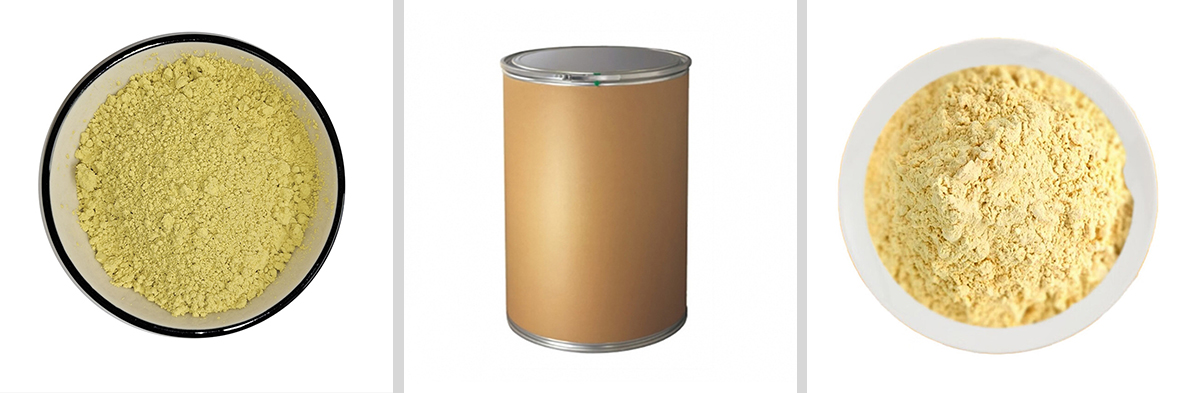
Bismuth(III) Oxide Chemical Properties
| Melting point | 825 °C |
| Boiling point | 1890°C |
| bulk density | 1000kg/m3 |
| density | 8.9 |
| Fp | 1890°C |
| storage temp. | Store at +5°C to +30°C. |
| solubility | 0.006g/l practically insoluble |
| form | powder |
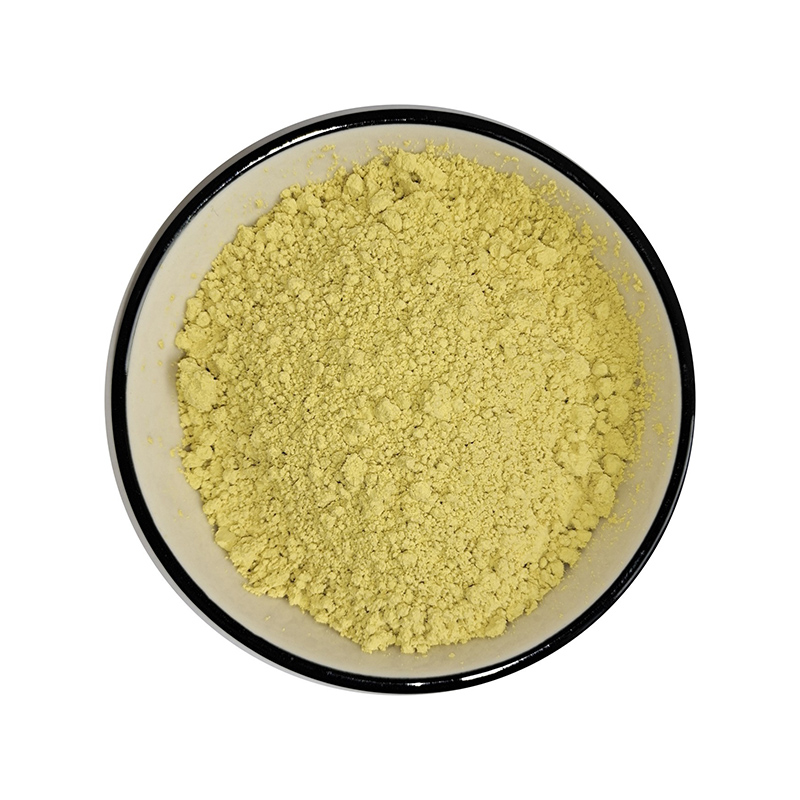
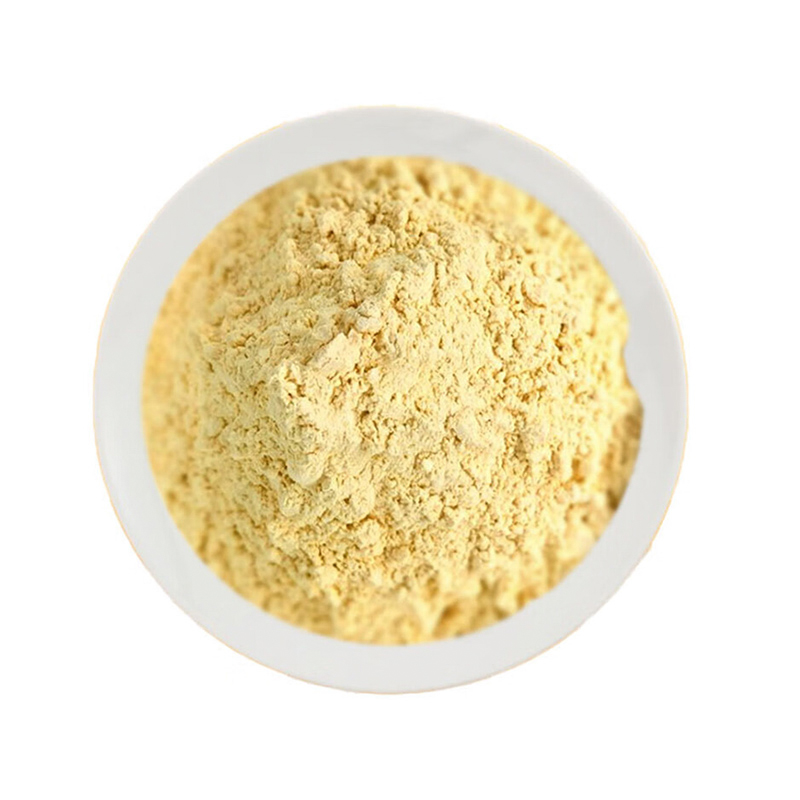
| color | Yellow |
| Specific Gravity | 8.9 |
| Odor | Odorless |
| Water Solubility | INSOLUBLE |
| Merck | 141273 |
| crystal system | Monoclinic |
| Space group | P21/c |
| Lattice constant | a/nmb/nmc/nmα/oβ/oγ/oV/nm30.58480.81660.75190113900.3301 |
| Stability: | Stable. |
| Cosmetics Ingredients Functions | OPACIFYING |
| InChI | 1S/2Bi.3O |
| InChIKey | KOCGCHBRHPOCBW-UHFFFAOYSA-N |
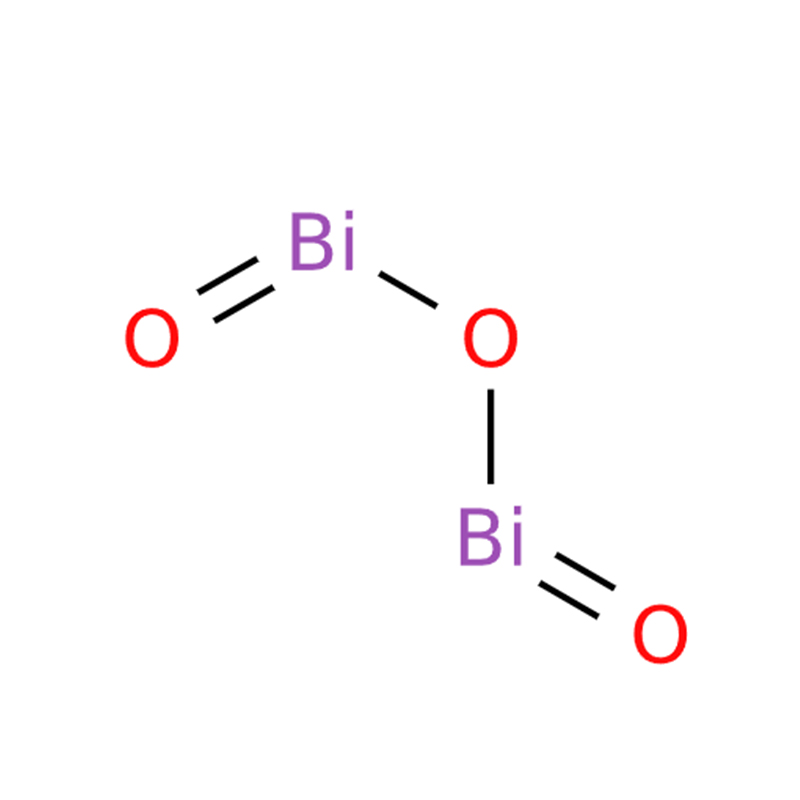
| SMILES | O=[Bi]O[Bi]=O |
| CAS DataBase Reference | 1304-76-3(CAS DataBase Reference) |
| NIST Chemistry Reference | bismuth(III) oxide(1304-76-3) |
| EPA Substance Registry System | Bismuth trioxide (1304-76-3) |
Safety Information
| Hazard Codes | Xi,Xn |
| Risk Statements | 36/37/38-20/21/22 |
| Safety Statements | 26-36/37-36 |
| WGK Germany | 2 |
| RTECS | EB2984460 |
| TSCA | TSCA listed |
| HS Code | 2825 90 85 |
| Storage Class | 11 - Combustible Solids |
| Toxicity | LD50 orally in Rabbit: 5000 mg/kg |

Product Application of Bismuth(III) Oxide CAS#1304-76-3
Bismuth(III) oxide is used in the preparation of BiFeO3perovskite nanoparticles. It finds use in disinfectants, magnets, glass, rubber, vulcanization, fireproofing papers and polymers and catalysts. Bismuth trioxide brings about the "dragon's eggs" effect in fireworks, as a replacement of red lead. Bismuth(III) compounds are attractive reagents and catalysts in organic synthesis because of their low cost and ease of handling. Bismuth trioxide nanoparticles also play an important role in high energy gas generators. The alpha crystalline form of bismuth(III) oxide has p-type electronic conductivity.